

Author: Christi Shell
-
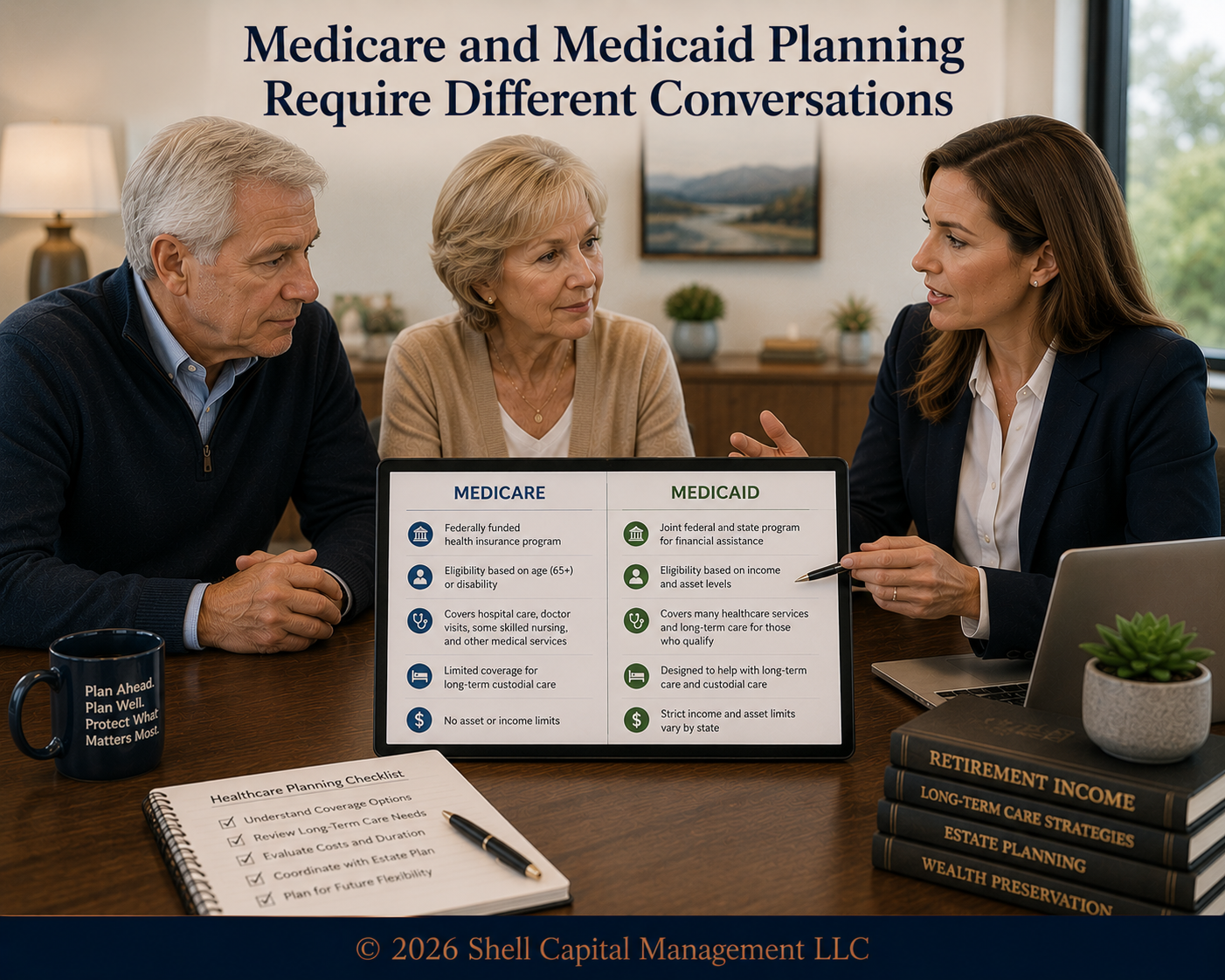
Medicare and Medicaid Planning Require Different Conversations
Medicare and Medicaid are two distinct programs that operate under different rules, serve different populations, and require different planning approaches. Many families use the terms interchangeably even though the programs serve fundamentally different purposes. Medicare… Read More
-
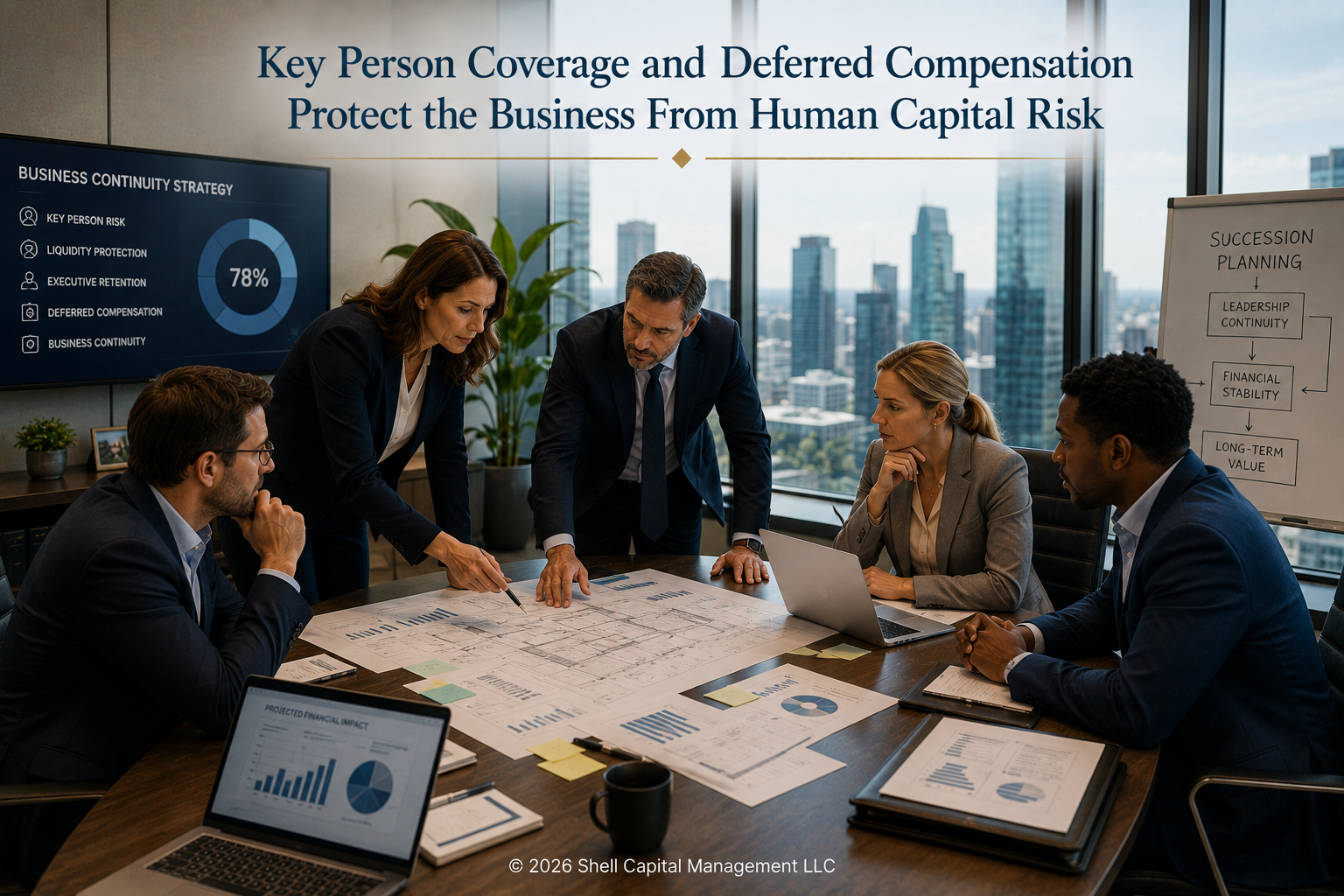
Key Person Coverage and Deferred Compensation Protect the Business From Human Capital Risk
Key person coverage protects the business from the loss of critical talent. Deferred compensation creates the financial incentives to keep them. Read More
-

Asset Protection Begins Before Liability Exists
Asset protection planning is most effective before a liability exists. Proactive structuring is more defensible and more flexible than reactive transfers. Read More
-

Why Asset Titling Quietly Shapes Estate Outcomes
Asset titling determines how property transfers, who controls it, and whether estate documents function as intended. Read More
-

Business Continuity Requires More Than a Succession Document
Business continuity planning depends on valuation, liquidity, and properly structured insurance for buy-sell and key-person risks. Read More
-

Optionality in Retirement Planning: Preserving Flexibility Over Time
Flexible retirement structures allow for adaptation to changing conditions, improving long-term resilience and decision quality. Read More
-
Healthcare and Long-Term Care as Retirement Liabilities
Healthcare and long-term care represent uncertain but significant retirement liabilities that require flexible planning structures. Read More
-

Estate Liquidity, ILITs, and the Cost of Forced Sales
Life insurance can create estate liquidity and reduce pressure to sell illiquid assets on an unfavorable timetable. Read More
-

The Six Strategic Roles Life Insurance Can Play in Wealth Planning
Life insurance can replace income, create estate liquidity, fund business transitions, support retention, and improve tax efficiency. Read More
-
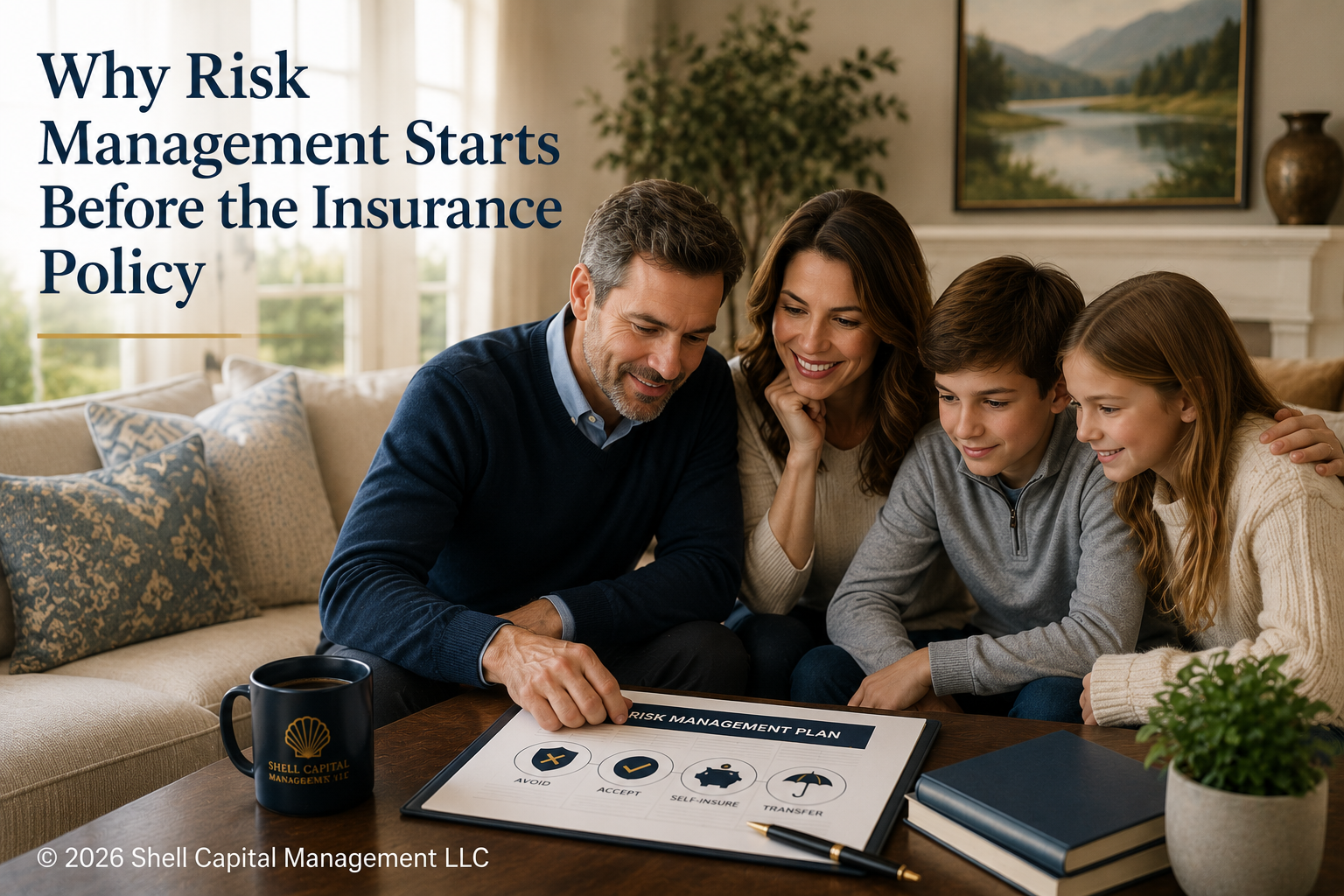
Why Risk Management Starts Before the Insurance Policy
Effective risk planning begins by defining which risks to avoid, retain, self-insure, or transfer through insurance. Read More