

Category: Selling a Business
-
After Selling a Business, the Real Work Begins
Selling a business feels like the finish line for many entrepreneurs. In reality, it marks the beginning of a new challenge: managing permanent financial capital so it can endure decades of market cycles and uncertainty. Read More
-

Volatility Becomes a Liability After a Triggering Event
Volatility feels manageable during accumulation. After a triggering event, it interacts with withdrawals and finite capital—turning normal fluctuations into asymmetric risks that can alter long-term outcomes. Read More
-

The Operator-to-Investor Transition Most People Miss
Building wealth and managing it require different skill sets. After a triggering event, success depends on shifting from control and concentration to defining downside, managing exposure, and preserving optionality. Read More
-

Why Most Portfolios Are Built for Average Markets, Not Adverse Ones
Diversification may work in normal markets—but often fails in adverse ones. When correlations converge and volatility expands, portfolios built on average assumptions can experience disproportionate downside. Read More
-
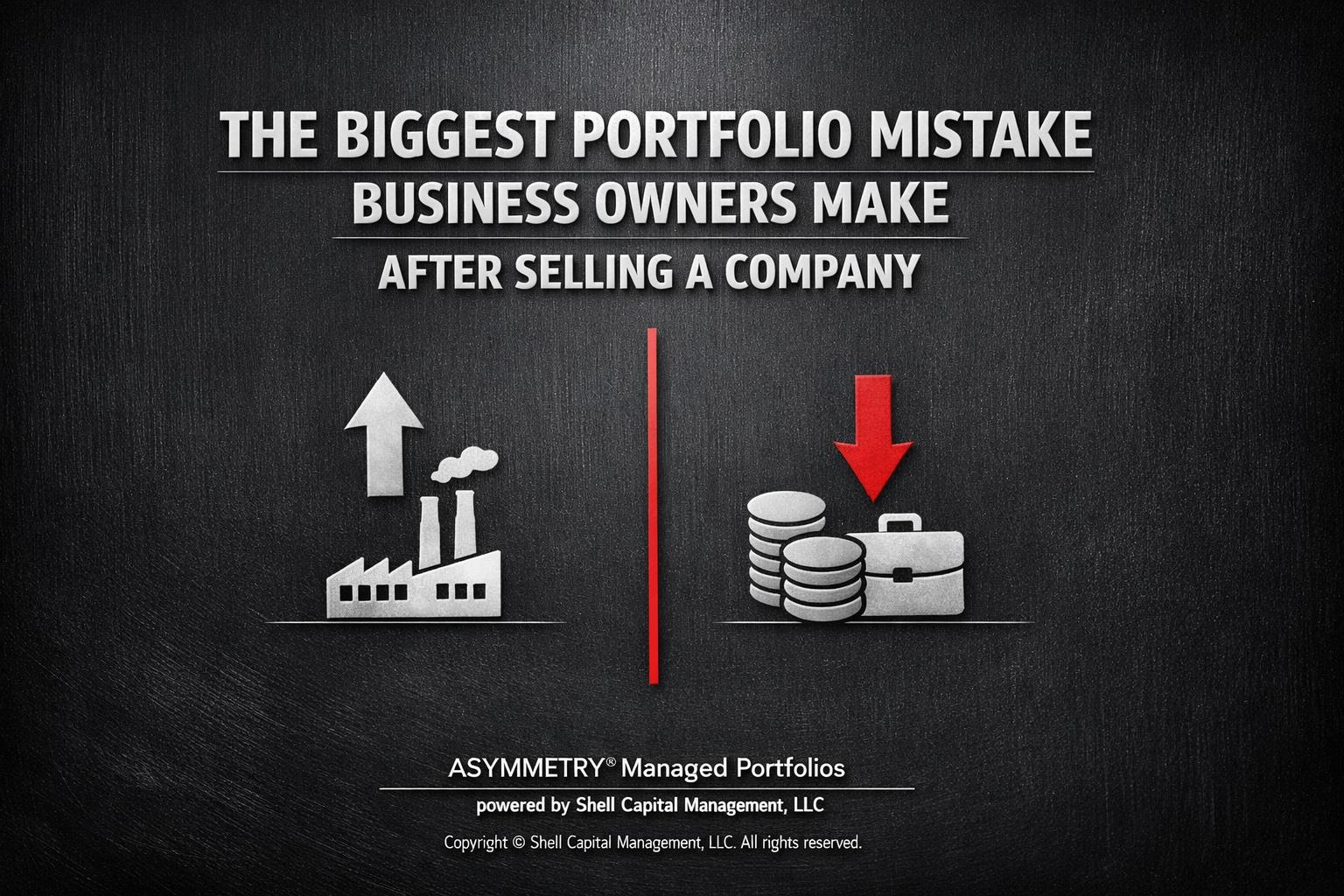
The Biggest Portfolio Mistake Business Owners Make After Selling a Company
When business owners sell their company, human capital converts into financial capital. Many then make the same portfolio mistake: investing their life’s work as if nothing changed. The transition from operator to allocator requires a… Read More
-

The First Loss Is Different After a Liquidity Event
Losses compound differently after a triggering event. When capital is finite and withdrawals begin, drawdowns don’t just reduce value—they narrow recovery paths and compress optionality. Read More
-
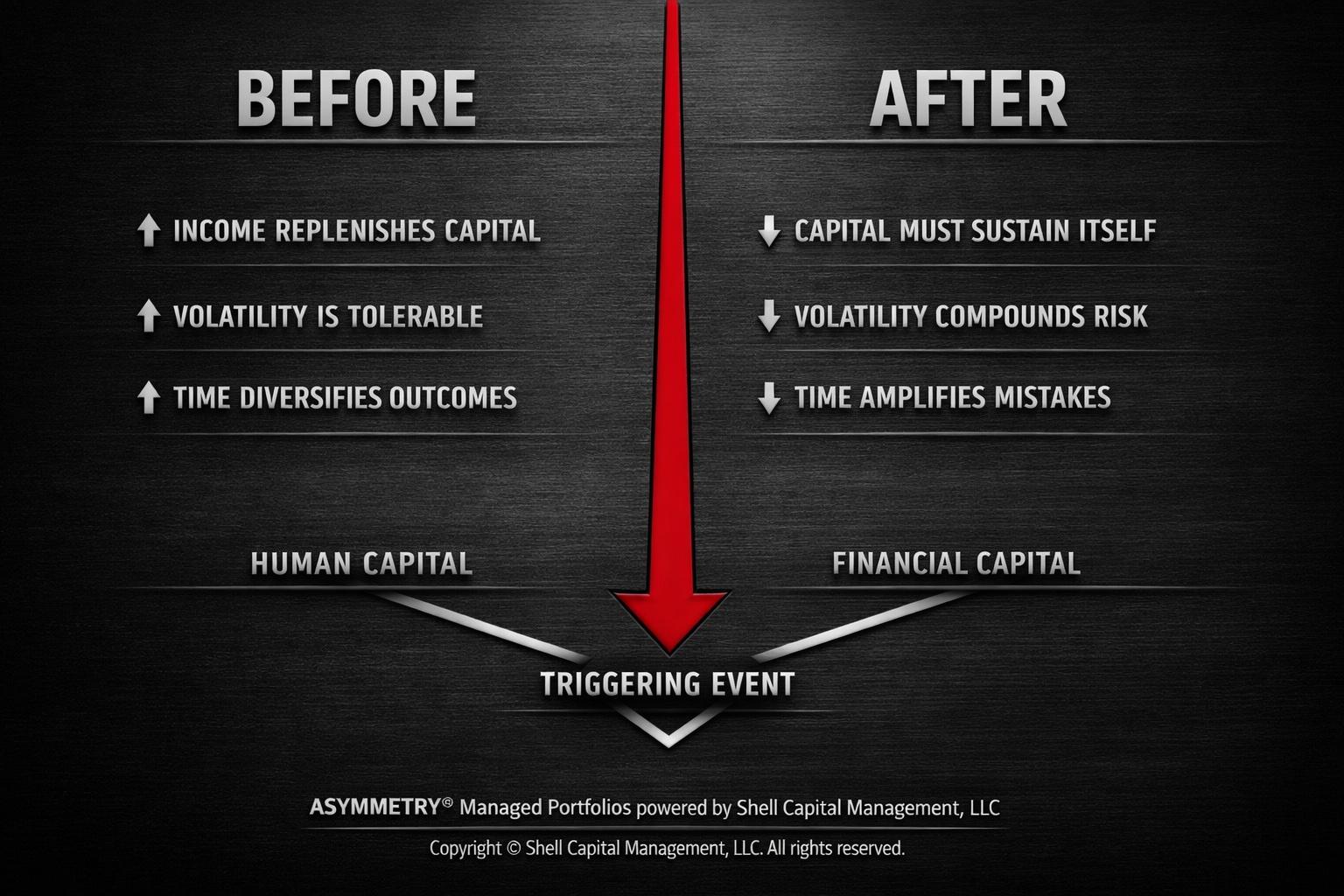
Triggering Events Change the Consequences, Not Just the Circumstances
A triggering event isn’t about more capital—it’s about different consequences. When human capital converts into financial capital, the margin for error shrinks, and asymmetry becomes essential to protecting and compounding wealth. Read More
-
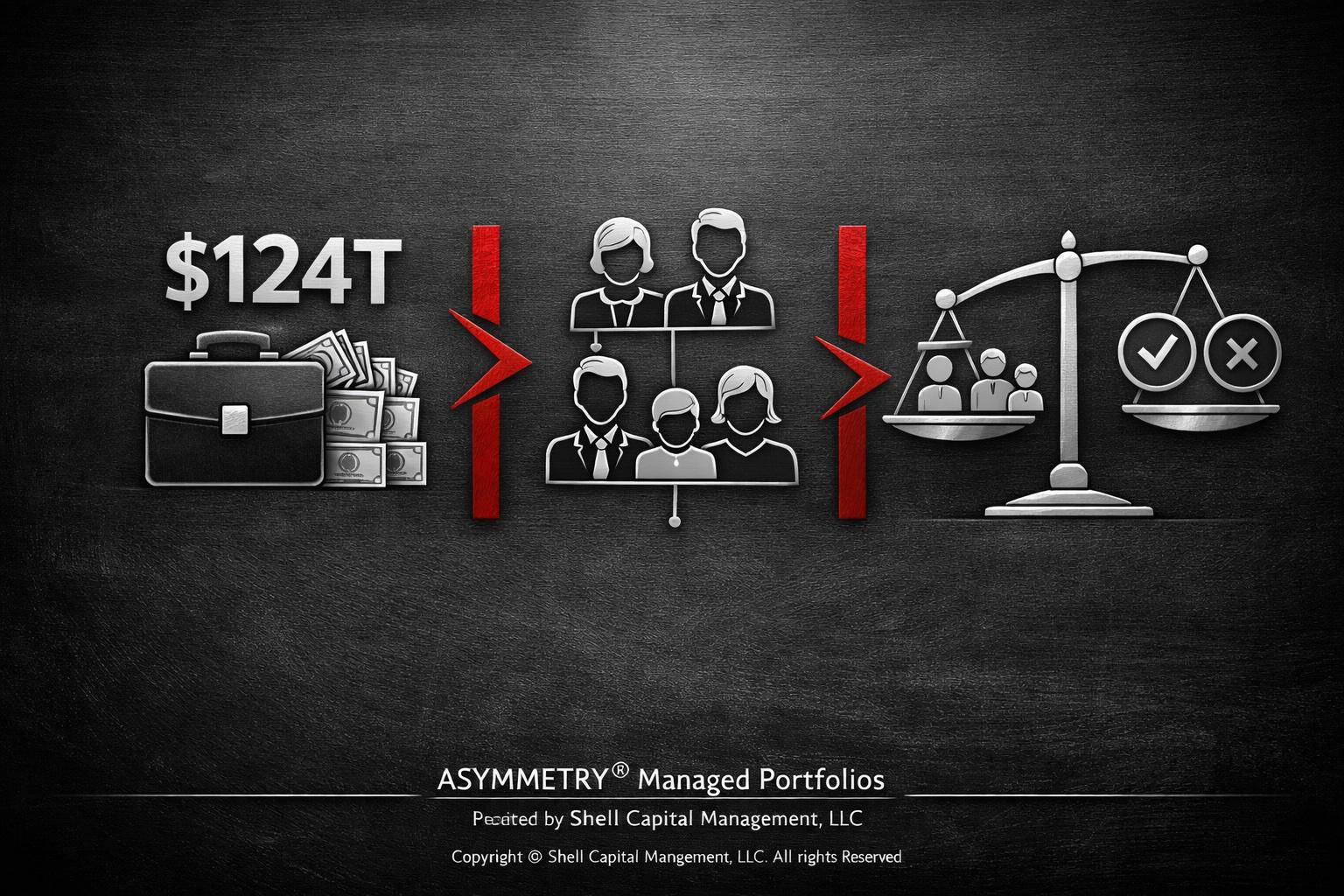
The Great Wealth Transfer: Opportunity or Transition Risk?
A historic wealth shift is underway. Roughly $124 trillion is expected to transfer in the United States over the next two decades. But much of that wealth is concentrated in privately held businesses, where succession… Read More
-
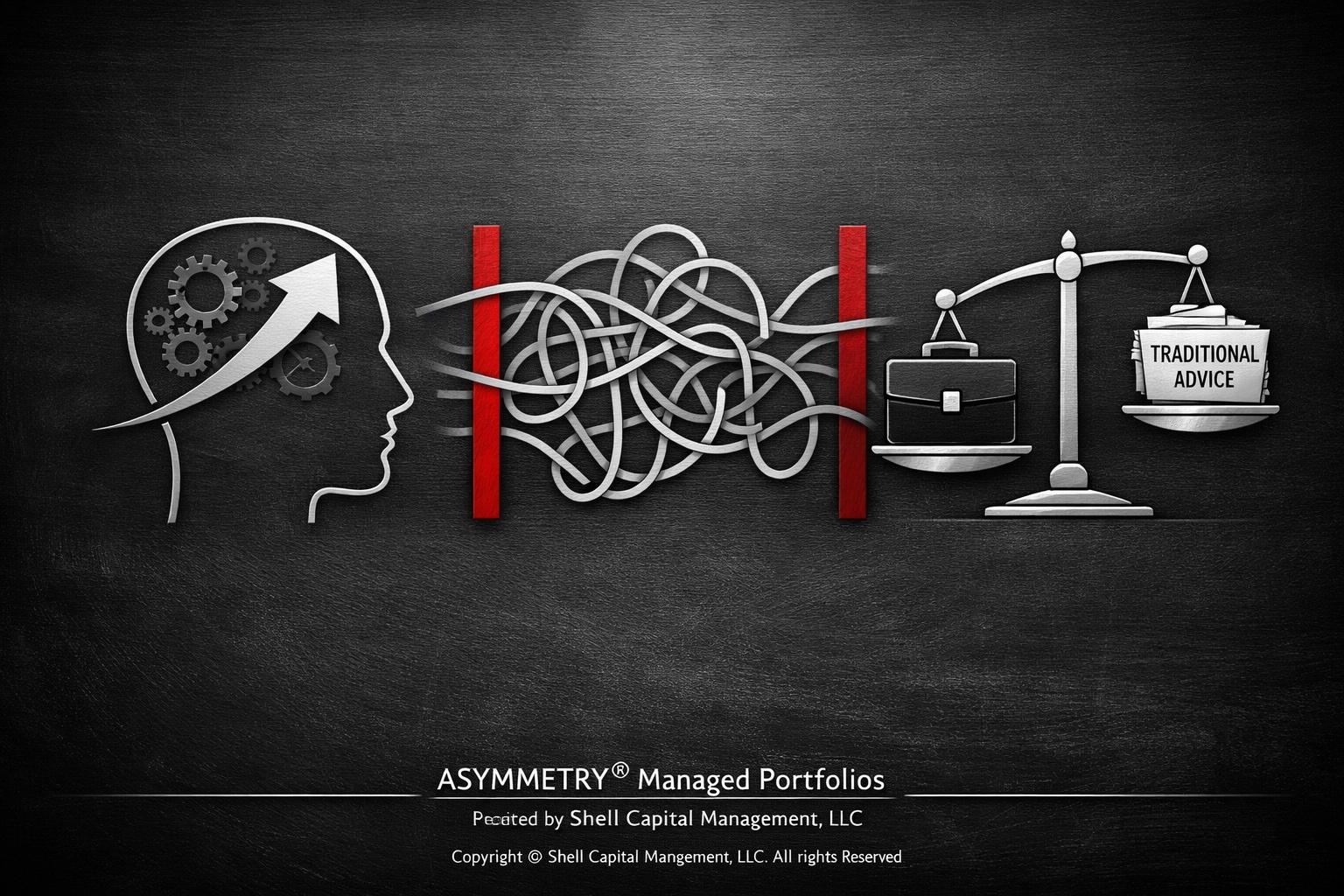
The Entrepreneurial Mindset: Why Business Owners Think Differently — and Why Their Financial Planning Must Reflect It
After advising founders for more than two decades—and growing up in a family of small business owners—I’ve come to understand how differently entrepreneurs think. Their mindset, responsibilities, and financial realities are unlike those of traditional… Read More
-

Blue Ocean Strategy by W. Chan Kim and Renée Mauborgne: Engineering Strategic Space That Expands Enterprise Value Before Exit
Most businesses compete in crowded “red oceans” that compress margins and cap valuation multiples. Blue Ocean Strategy offers a framework to create uncontested market space — expanding optionality, convexity, and enterprise value before exit. Read More