

Author: Mike Shell
-
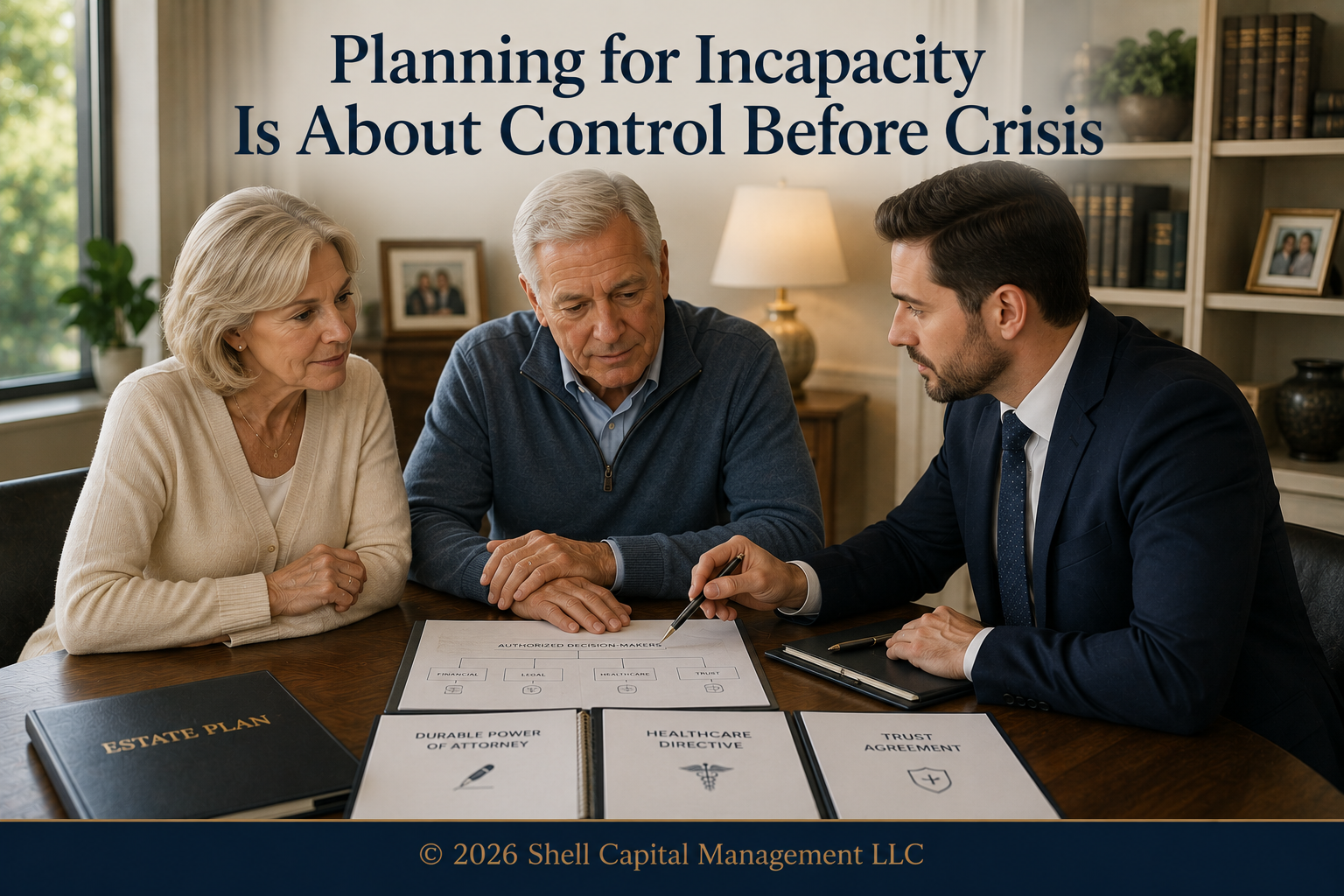
Planning for Incapacity Is About Control Before Crisis
Many people associate incapacity planning with advanced age. In reality, incapacity can emerge gradually or suddenly. Cognitive decline, illness, injury, or temporary medical impairment can interrupt a household’s ability to manage financial, legal, and healthcare… Read More
-

Umbrella, Professional, and Specialty Insurance Matter More as Life Gets More Complex
Liability risk is often underestimated because many people associate it with recklessness. In reality, substantial claims often begin with ordinary life. A missed stop sign. A home hazard. A domestic employment dispute. A recreational accident.… Read More
-

Joint Ownership Can Solve One Problem While Creating Another
Joint ownership is commonly used to simplify asset transfer. In some situations, it accomplishes exactly that. Joint tenancy with rights of survivorship allows property to pass automatically to surviving owners without probate. For married couples,… Read More
-
The Asymmetric Risk Hidden Inside a Calm Market
A quiet index doesn’t always mean a quiet market. Sometimes it means the violence underneath is cancelling itself out. Read it here. Read More
-

The Asymmetric Risk Hidden Inside a Calm Market
A quiet index doesn’t always mean a quiet market. Sometimes it means the violence underneath is cancelling itself out. Read More
-
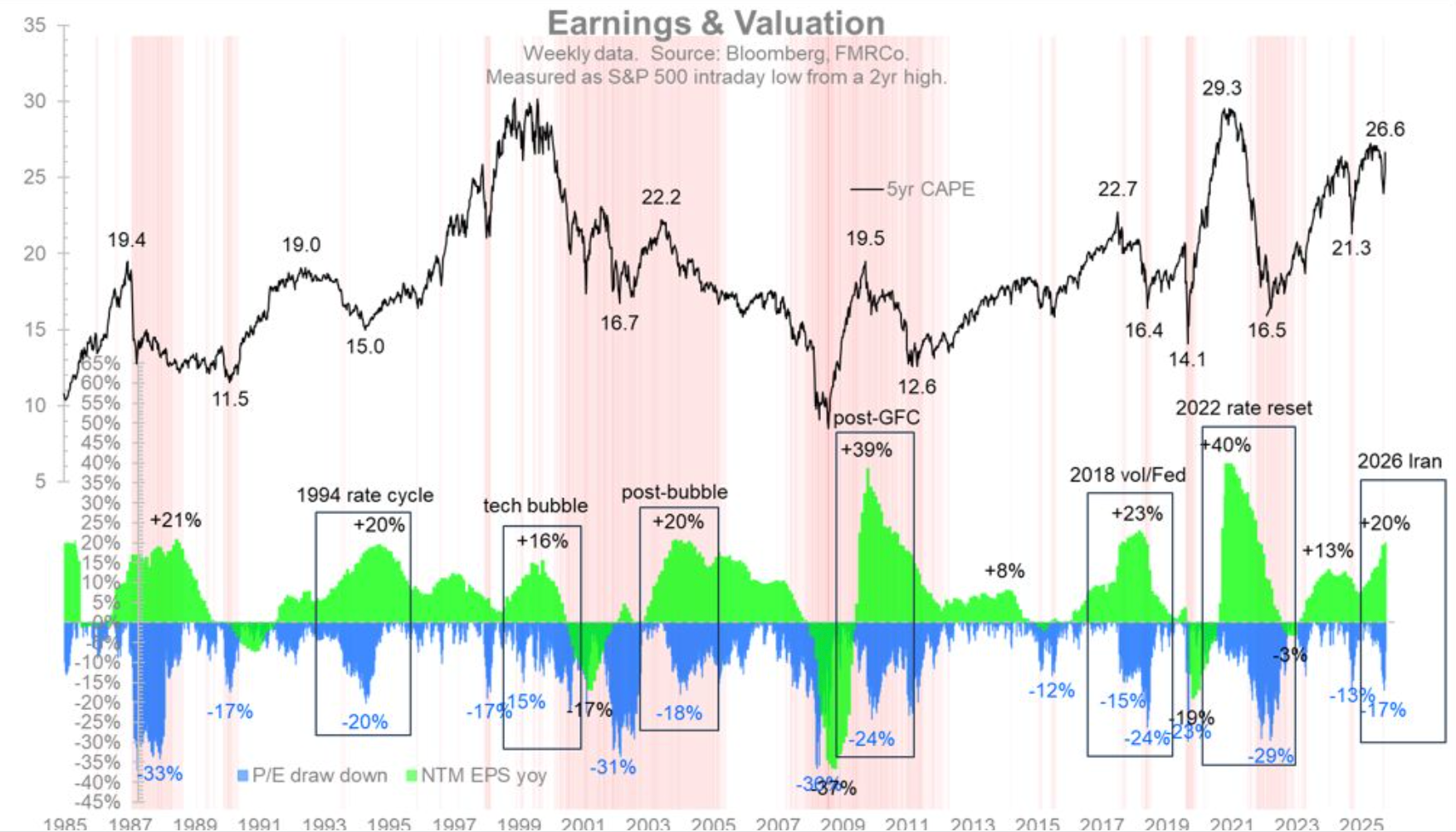
Valuation Compresses Faster Than Earnings Break
Price can decline without earnings breaking. When valuation compresses during earnings growth, the result isn’t just volatility—it’s a shift in the return distribution that can create asymmetric opportunity for disciplined portfolio management. Read More
-

Oil Shock: When the Buffer Disappears, Risk Becomes Nonlinear
Oil gets the headline. Inventory is the structure underneath it. When the buffer disappears, price doesn’t have to move gradually. Risk becomes nonlinear. Read More
-
Risk–Return Trade-Off: What It Gets Right—and What It Misses
The risk–return trade-off is one of the most cited ideas in finance, but it’s also one of the most misunderstood. The framework correctly explains why returns exist—but it says very little about how intelligent investors… Read More
-
Risk–Return Trade-Off: Why Upside Only Exists Because Downside Does
The risk–return trade-off is one of the most widely cited ideas in investing, but it’s often misunderstood. The real lesson isn’t that more risk guarantees higher returns. It’s that meaningful returns only exist where uncertainty… Read More
-
Leverage Doesn’t Create Upside — It Amplifies Downside
When margin debt climbs to record highs, the real risk isn’t the leverage itself—it’s the forced selling that occurs when prices fall. Markets don’t decline in isolation. They decline through balance sheets. Read More Read More