

Category: ASYMMETRY® Observations
-
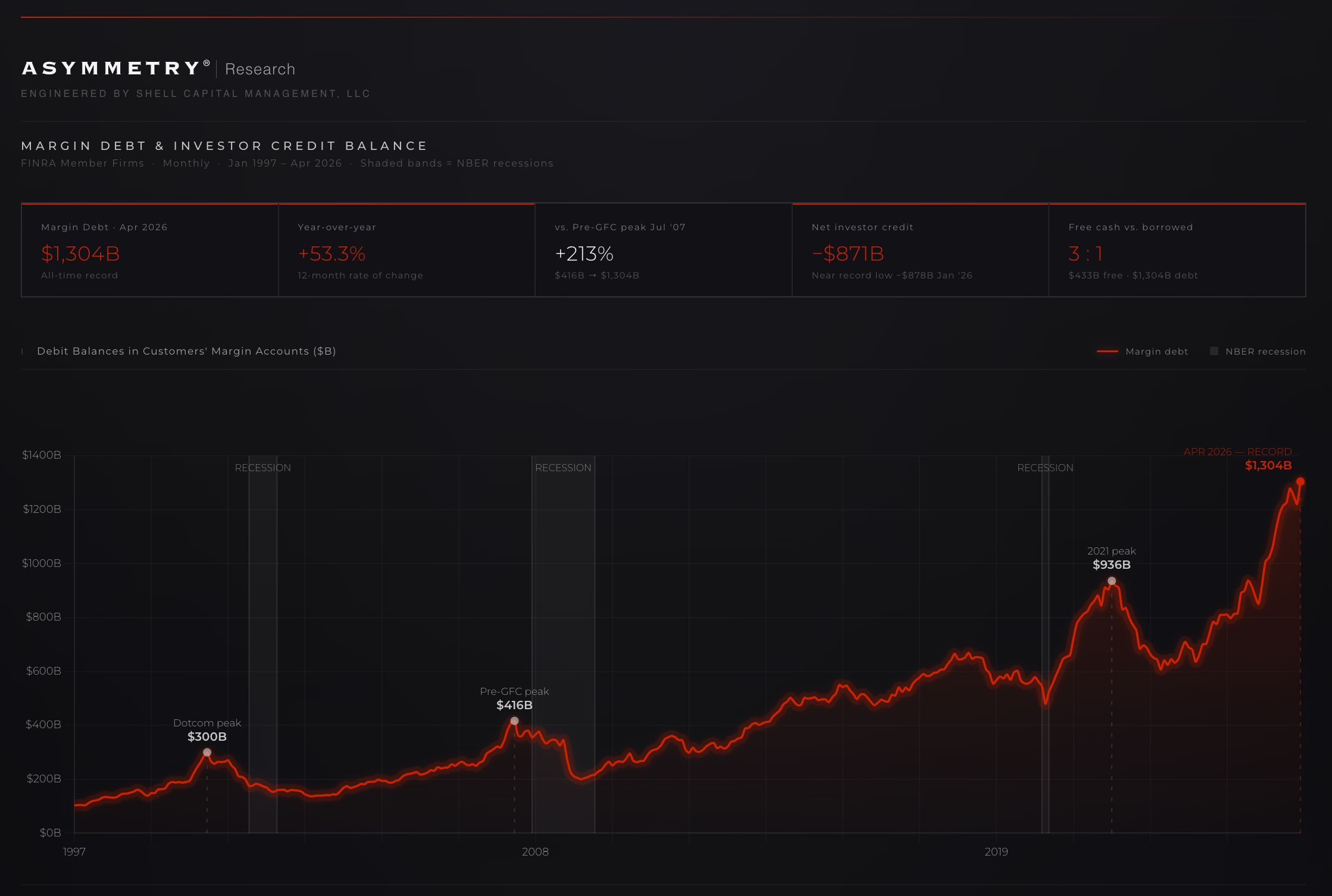
The Market’s Leverage Trap: When Borrowed Confidence Becomes Forced Selling
Margin debt is easy to misuse. A record high doesn’t mean the market has to decline. Markets grow. Account values grow. A larger equity market can support more nominal debt than a smaller one. So… Read More
-
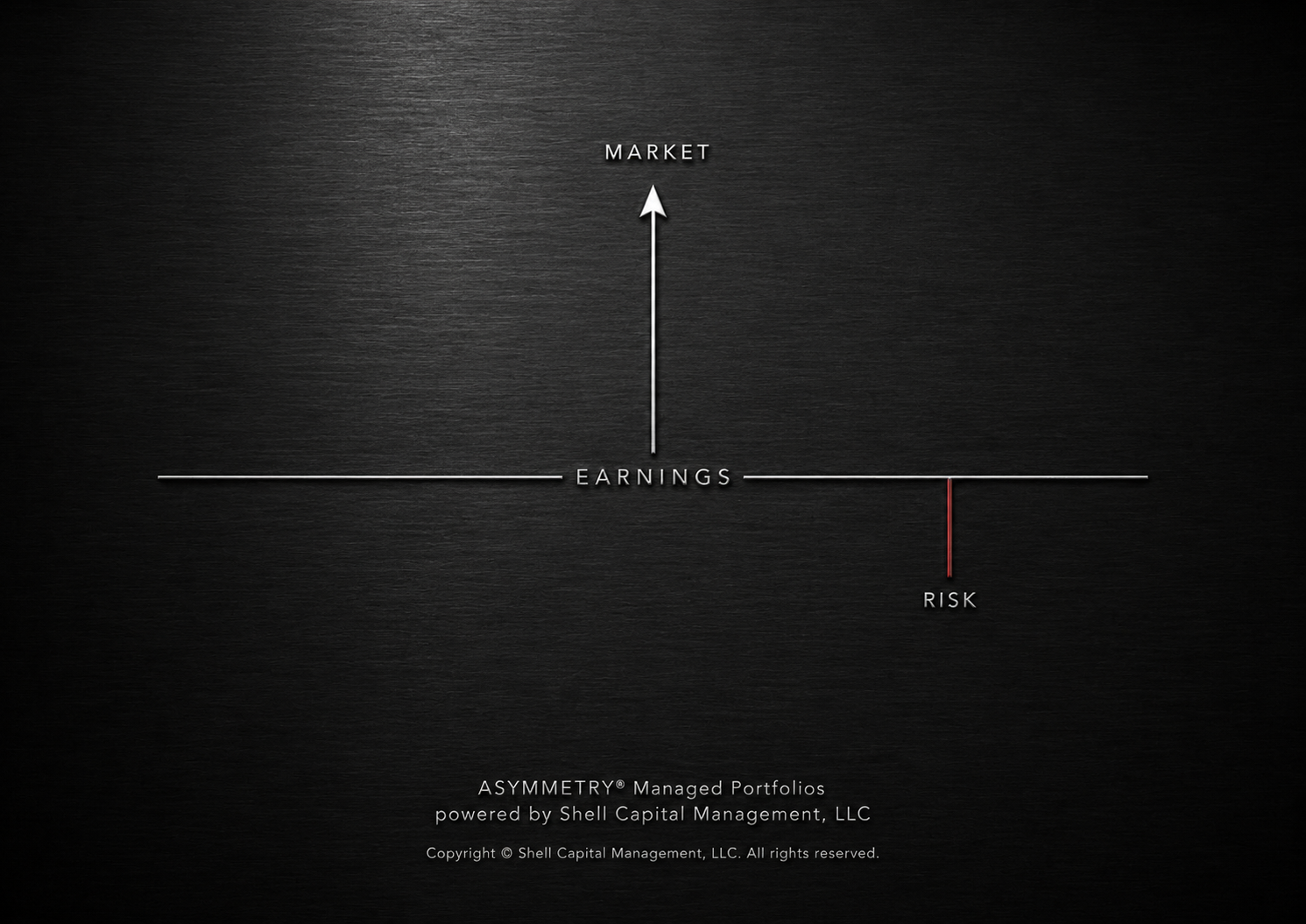
The Market Isn’t Just Expensive. It’s Dependent.
Valuation alone is the wrong frame. Not because it doesn’t matter. Because it doesn’t tell you what the market is depending on. Right now, the market is depending on earnings velocity. Yardeni Research recently raised… Read More
-
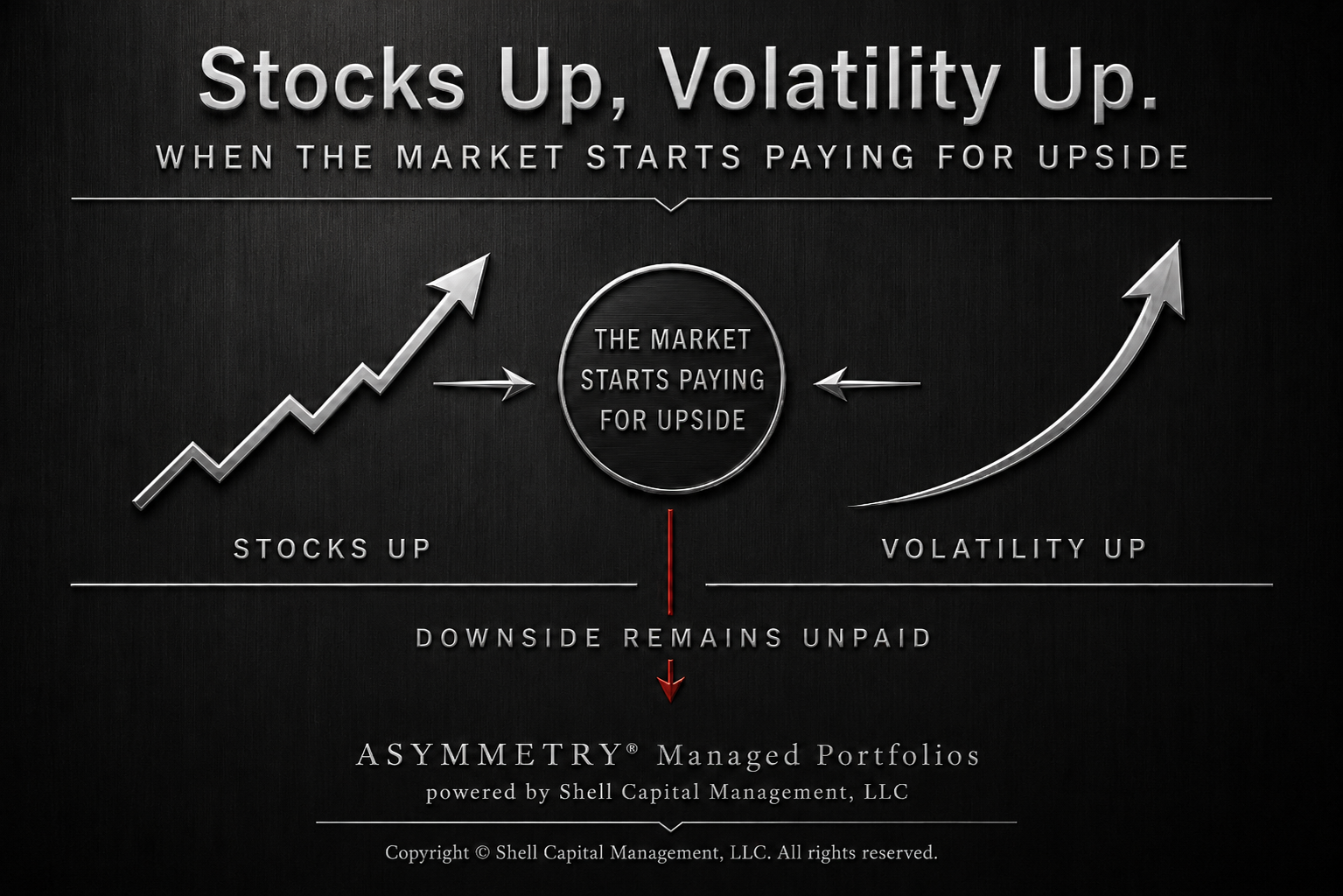
Spot-Up, Vol-Up: When the Market Starts Paying for Upside
When stocks rise and volatility rises with them, most investors instinctively assume something defensive is happening. Sometimes that’s true. If the S&P 500 index is rising, VIX is rising, and put skew is steepening, the… Read More
-

The Asymmetric Risk Hidden Inside a Calm Market
A quiet index doesn’t always mean a quiet market. Sometimes it means the violence underneath is cancelling itself out. Read More
-
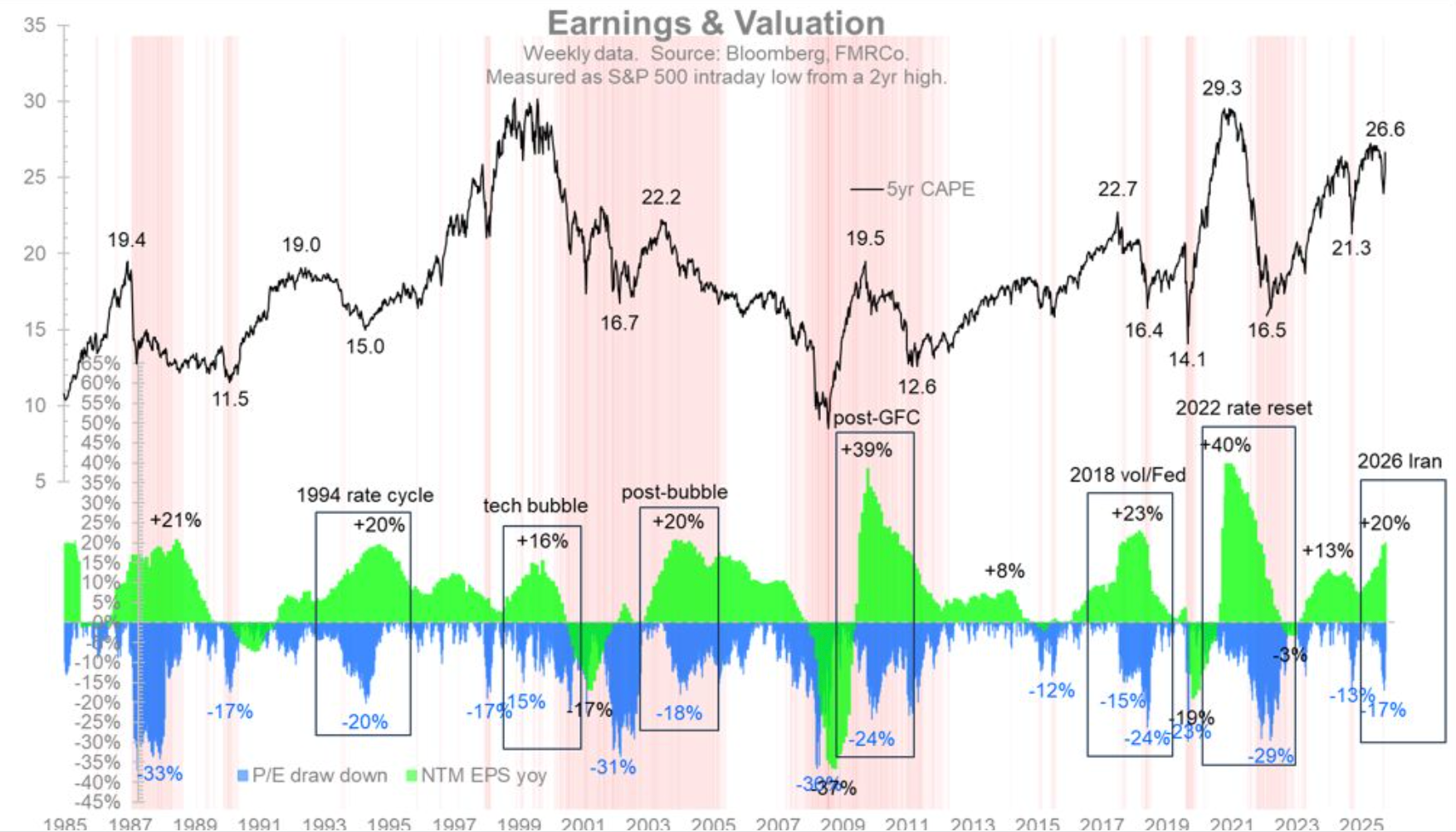
Valuation Compresses Faster Than Earnings Break
Price can decline without earnings breaking. When valuation compresses during earnings growth, the result isn’t just volatility—it’s a shift in the return distribution that can create asymmetric opportunity for disciplined portfolio management. Read More
-

Oil Shock: When the Buffer Disappears, Risk Becomes Nonlinear
Oil gets the headline. Inventory is the structure underneath it. When the buffer disappears, price doesn’t have to move gradually. Risk becomes nonlinear. Read More
-

S&P 500: Where Asymmetric Risk Accelerates
Markets don’t break gradually—they transition. The S&P 500 is approaching a key level near 6,550 where behavior shifts, volatility expands, and risk begins to compound. The difference isn’t direction—it’s what happens if you’re wrong. Read More
-
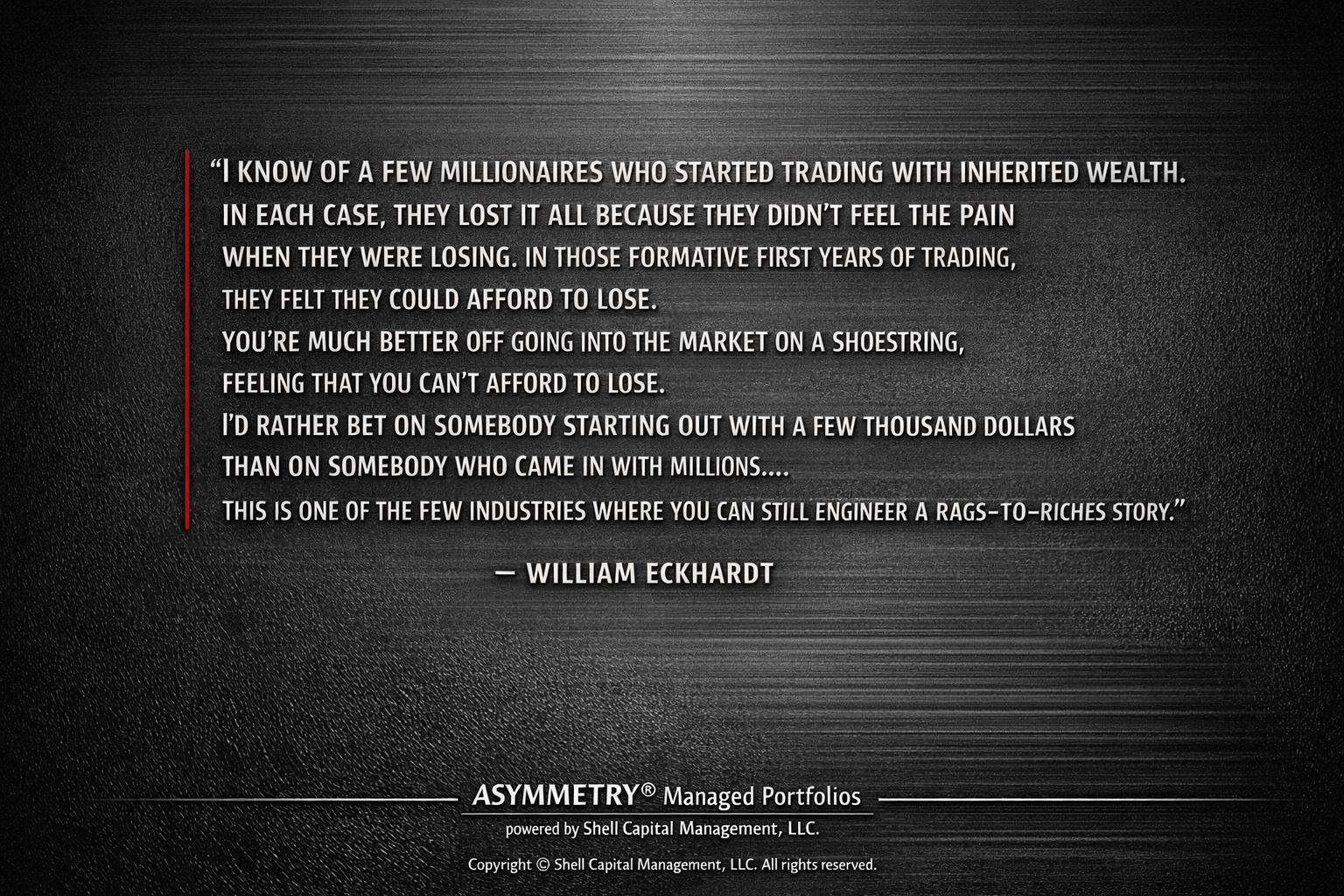
Why Feeling the Loss Matters
William Eckhardt’s warning is simple: people who don’t feel the pain of loss often lose everything. The real edge in investing isn’t starting with more capital. It’s building a process that defines downside before the… Read More
-

Capital Efficiency Sounds Like Optimization. It’s a Leverage Decision.
Capital efficiency expands exposure, but it also increases interaction risk. When stacked exposures move together, drawdowns accelerate and recovery math becomes more demanding. Read More
-

When the Hedge Stops Hedging
Many investors believe bonds protect them when equities fall. But in certain regimes, that relationship breaks down. When inflation, rates, and growth expectations pull markets in different directions, the hedge investors rely on may stop… Read More