facebook twitter instagram linkedin google youtube vimeo tumblr yelp rss email podcast phone blog search brokercheck brokercheck Play Pause


Selling a Business and Exit Planning: Where exit strategy meets asymmetry, optionality, and disciplined decision-making to convert your life’s work into income and lifestyle.

"Whether it's a business or an investment, the exit, not the entry, always determines the outcome. The exit determines if you realize a profit or loss and how much you win or lose." - Mike Shell 


Information is everywhere, but insight is rare. Traditional summaries present books in a balanced, even-handed way—but we know that’s not how the real world works. Not all ideas are equally valuable. Some concepts move the needle, while others are just noise. Asymmetric Insights is about selling a business and planning for an exit, focusing on gaining the most valuable insights that deliver the greatest benefits with the least risk, and on how the book relates to optionality, managing a portfolio to achieve better rewards than risks, and asymmetric investment returns. 


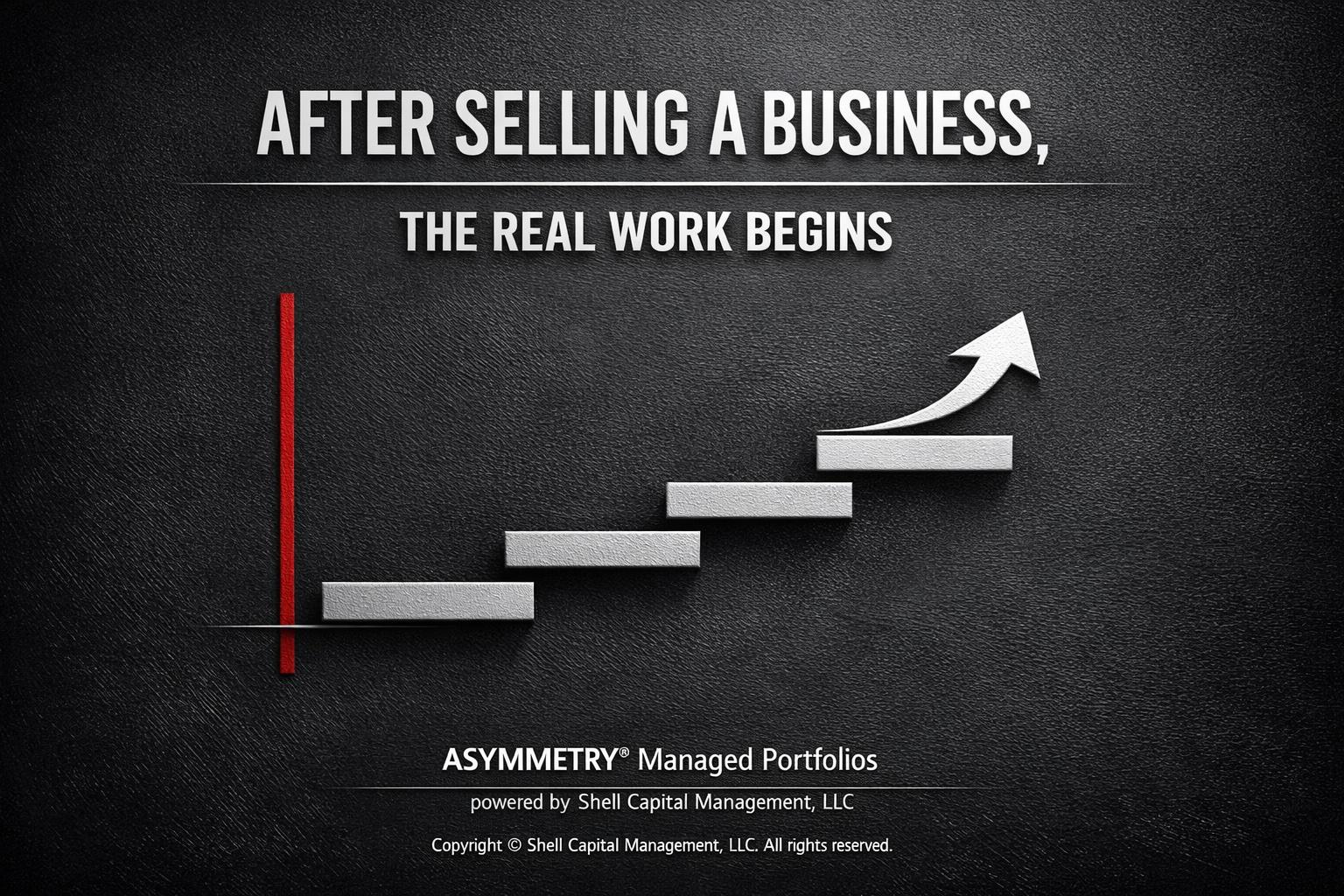
After Selling a Business, the Real Work Begins Thumbnail

After Selling a Business, the Real Work Begins

Selling a business feels like the finish line for many entrepreneurs. In reality, it marks the beginning of a new challenge: managing permanent financial capital so it can endure decades of market cycles and uncertainty.
Read More
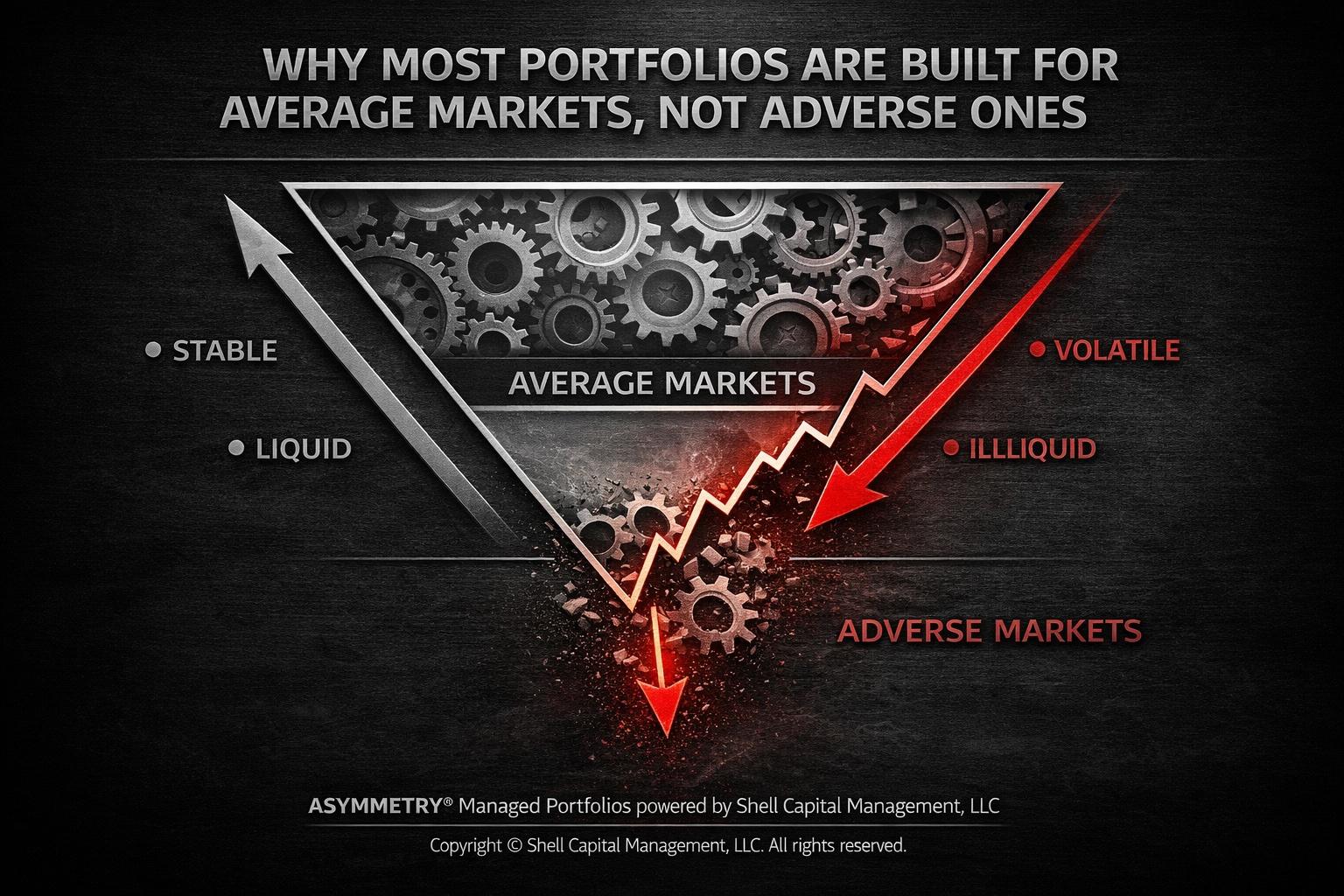
Why Most Portfolios Are Built for Average Markets, Not Adverse Ones Thumbnail

Why Most Portfolios Are Built for Average Markets, Not Adverse Ones

Diversification may work in normal markets—but often fails in adverse ones. When correlations converge and volatility expands, portfolios built on average assumptions can experience disproportionate downside.

Read More
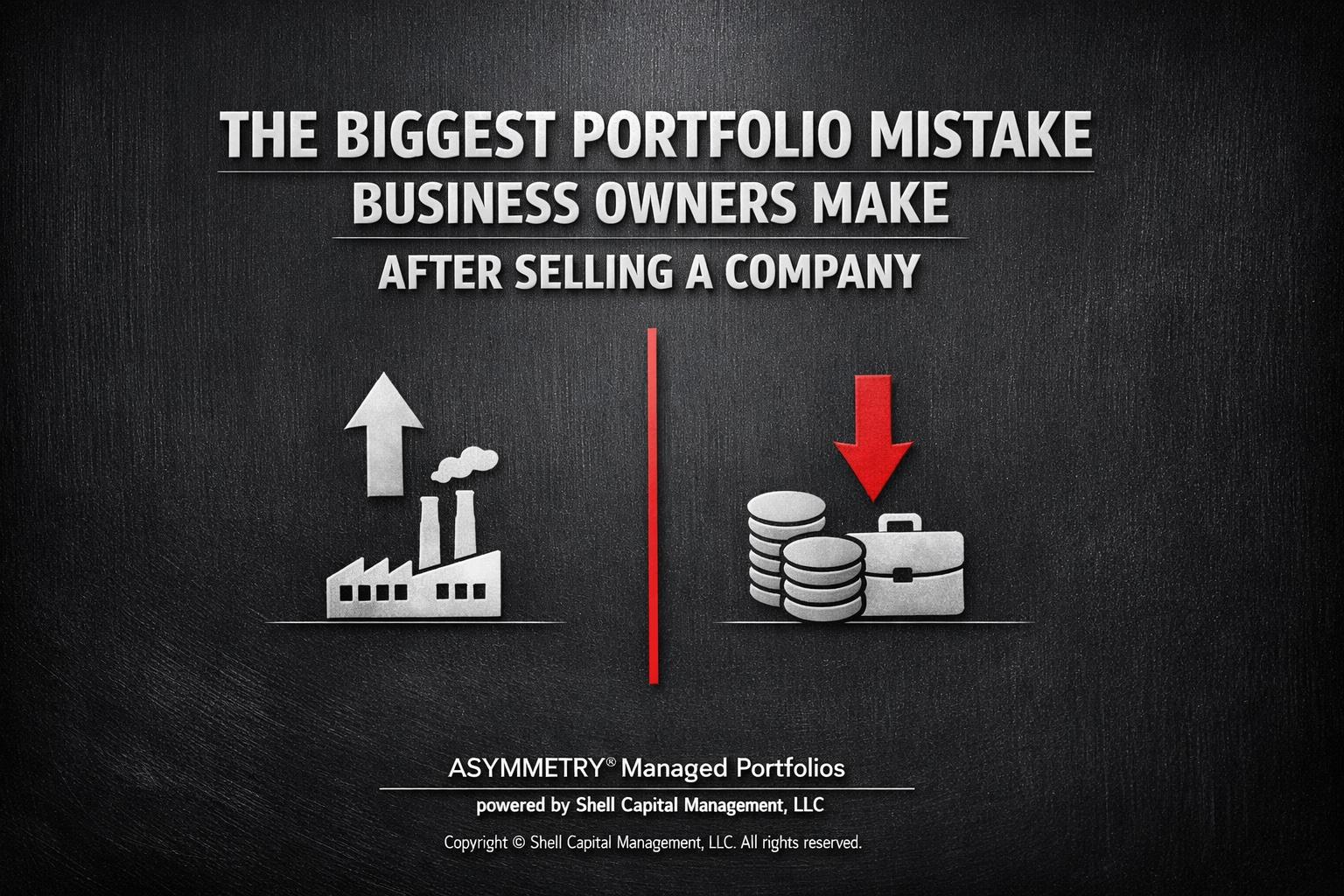
The Biggest Portfolio Mistake Business Owners Make After Selling a Company Thumbnail

The Biggest Portfolio Mistake Business Owners Make After Selling a Company

When business owners sell their company, human capital converts into financial capital. Many then make the same portfolio mistake: investing their life’s work as if nothing changed. The transition from operator to allocator requires a completely different approach to risk.

Read More
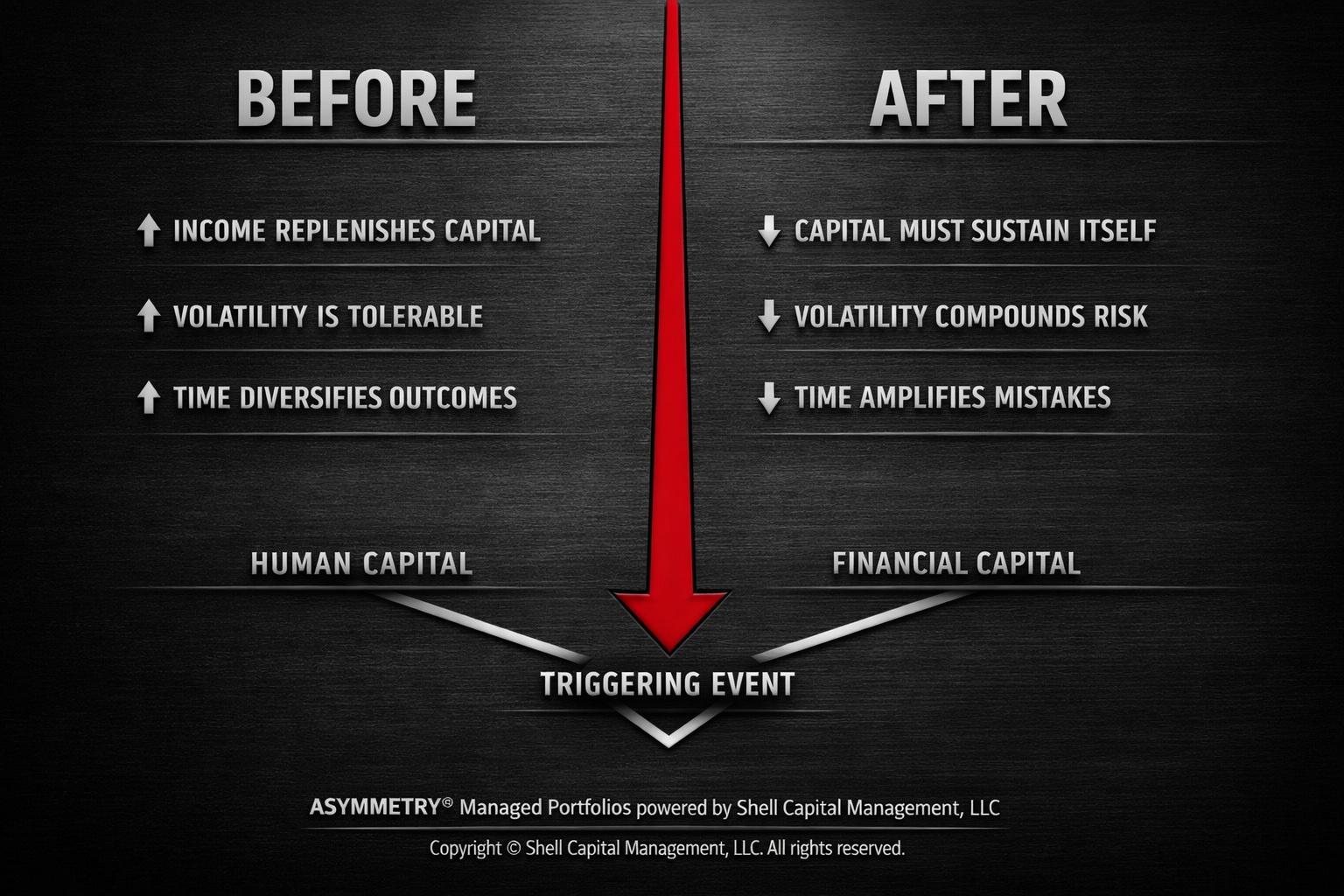
Triggering Events Change the Consequences, Not Just the Circumstances Thumbnail

Triggering Events Change the Consequences, Not Just the Circumstances

A triggering event isn’t about more capital—it’s about different consequences. When human capital converts into financial capital, the margin for error shrinks, and asymmetry becomes essential to protecting and compounding wealth.

Read More