Morningstar Says the Market Is Undervalued by 6.7%—But Is That Enough?
Morningstar’s model says the U.S. equity market is undervalued by 6.7%. But valuation without a clear exit is not a strategy—it’s a liability.

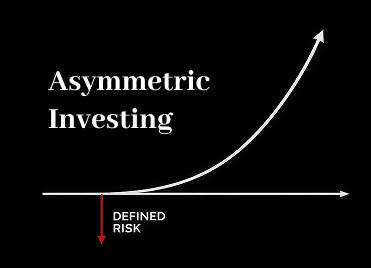
ASYMMETRY® Observations are Mike Shell’s observations of all things asymmetry, asymmetric risk/reward, asymmetric payoffs, and asymmetric investment returns.
Morningstar’s model says the U.S. equity market is undervalued by 6.7%. But valuation without a clear exit is not a strategy—it’s a liability.
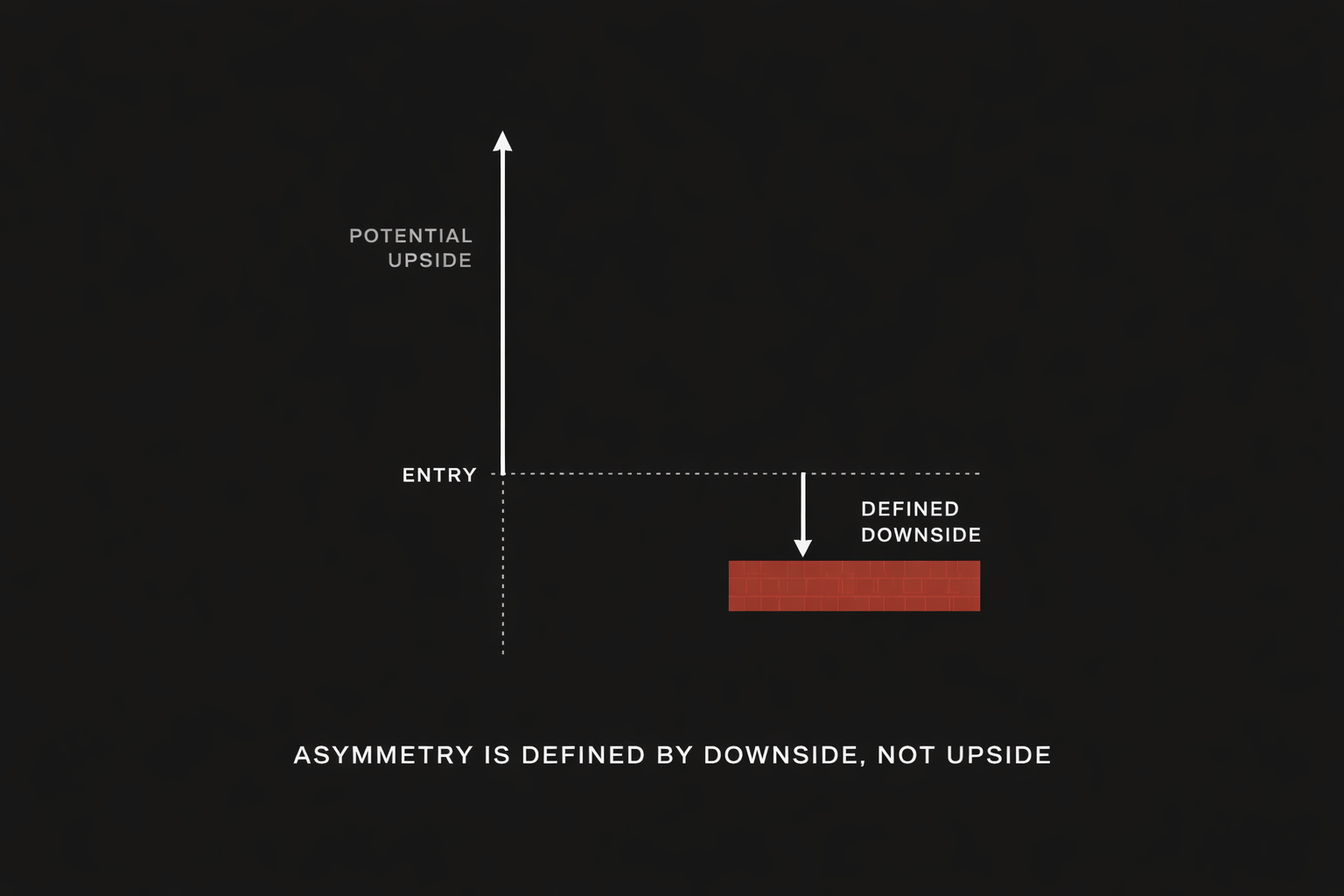
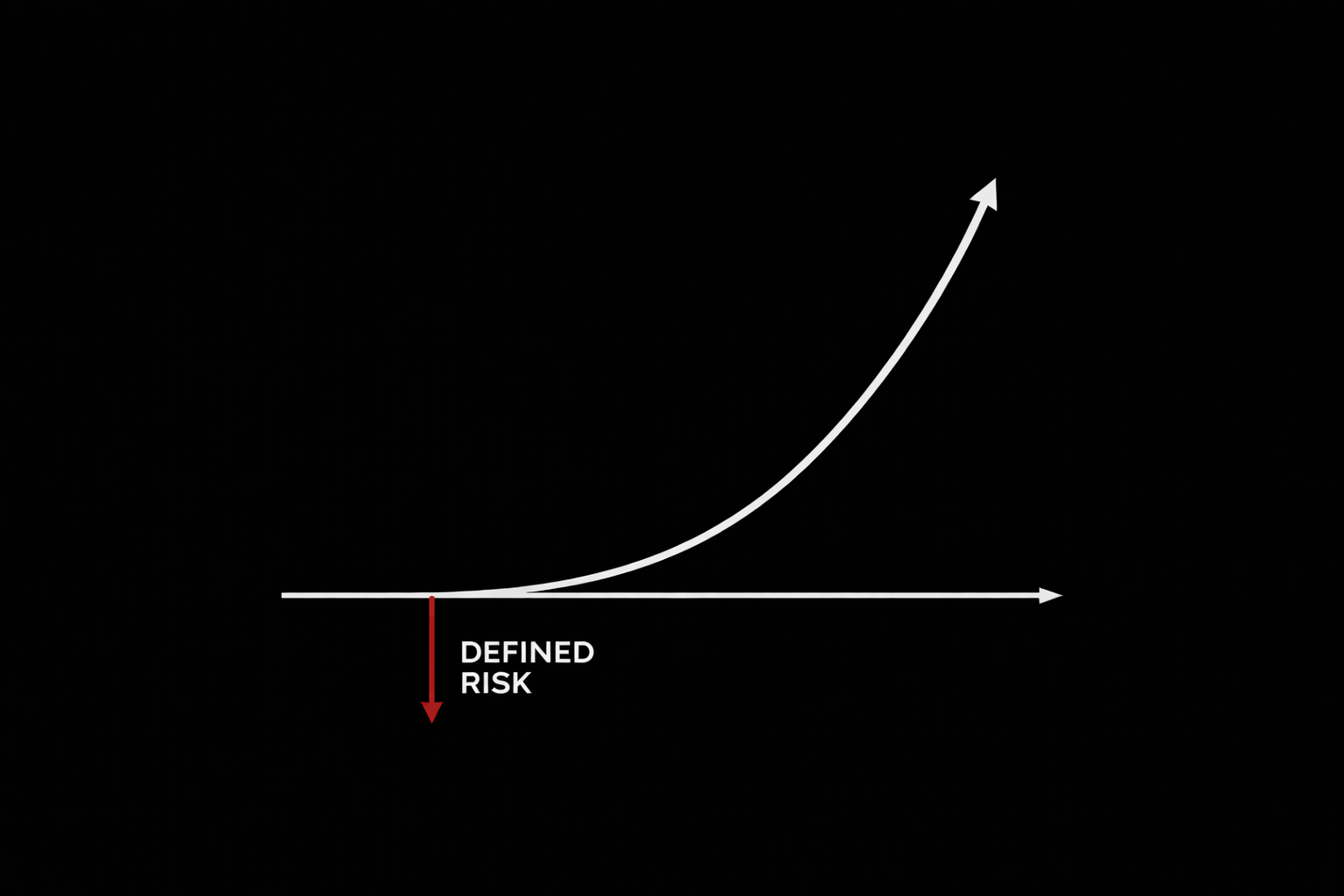
Sector dispersion is a gift to the asymmetric investor. When sectors diverge this sharply in trend, volatility, and valuation, the environment rewards those who are willing to rotate tactically and structure trades to capture exponential upside while controlling downside risk. We may use this data to identify setups with capped downside and high upside optionality—hallmarks of true asymmetry.
When industry performance disperses this widely, the opportunity for asymmetric positioning multiplies. Whether through long/short pairs, structured options, or sector rotation with predefined exits, we may use this dashboard data to seek positive asymmetry—capping downside while preserving exponential upside. At Shell Capital, this is the edge we pursue in dynamic markets.
You wouldn’t know it from watching the VIX index alone, but something interesting is happening beneath the surface. The VIX futures curve — the structure that really drives volatility-linked products like VXX, VIXY, and UVXY — is showing signs of indecision. Here's what it means for asymmetric hedging.
Discover how the latest S&P 500 Equal Weight Sector Dashboard reveals asymmetric opportunities for investors. Learn why equal weight indices may outperform cap-weighted benchmarks in the current regime, how factor tilts like size and value create imbalance, and how dispersion and concentration risk impact portfolio heat. This analysis explores sector rotation, volatility, and factor exposures—through the lens of Shell Capital’s ASYMMETRY® investment strategy.
Discover asymmetric investment insights from the March 2025 S&P Dispersion, Volatility & Correlation Dashboard. Learn how elevated volatility, low dispersion, and rising global correlations create opportunities for volatility reversion trades, convex option strategies, and portfolio-level asymmetry. Explore how small caps, emerging markets, and tactical hedging may offer defined-risk setups with exponential upside.
Institutional fund flows, futures positioning data, and ETF rotation trends may help reveal where market participants are concentrated—and where asymmetric opportunities could emerge. By analyzing institutional fund flows and futures positioning across asset classes, we may identify regime shifts, crowded trades, and potential setups offering convexity, optionality, and favorable asymmetry with predefined risk and exponential upside.
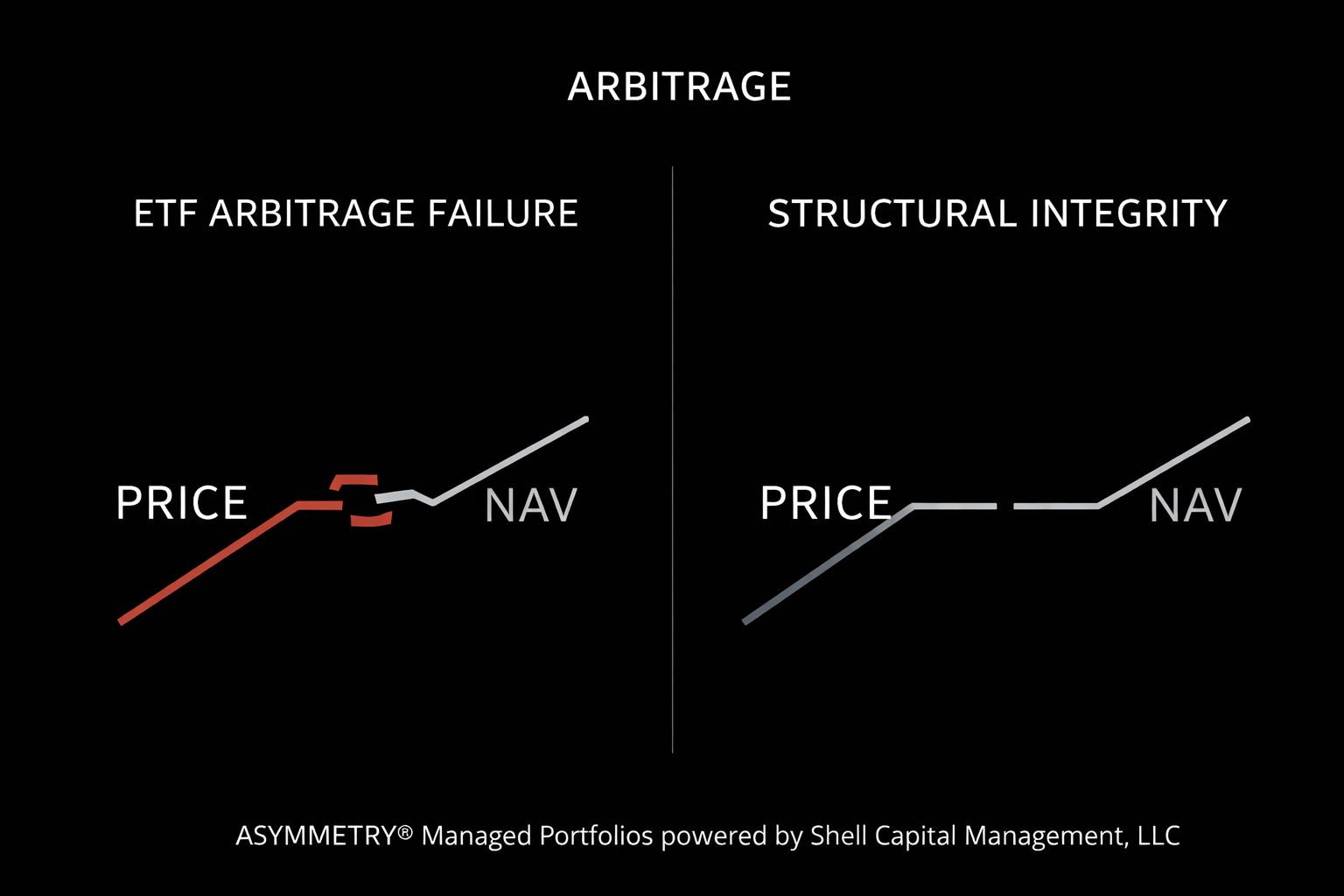
Many options-based funds like Buffered, Overlay, and Defined Outcome ETFs promise downside protection with upside potential—but most fail to deliver true asymmetry. Here's why.
The Federal Open Market Committee (FOMC), which sets U.S. monetary policy by adjusting interest rates, unanimously voted to keep the fed funds rate in the 4.25%–4.5% range in March. The most notable change in the post-meeting statement was the addition of a new clause: “Uncertainty around the economic outlook has increased.” It's an illusion of asymmetric insight.
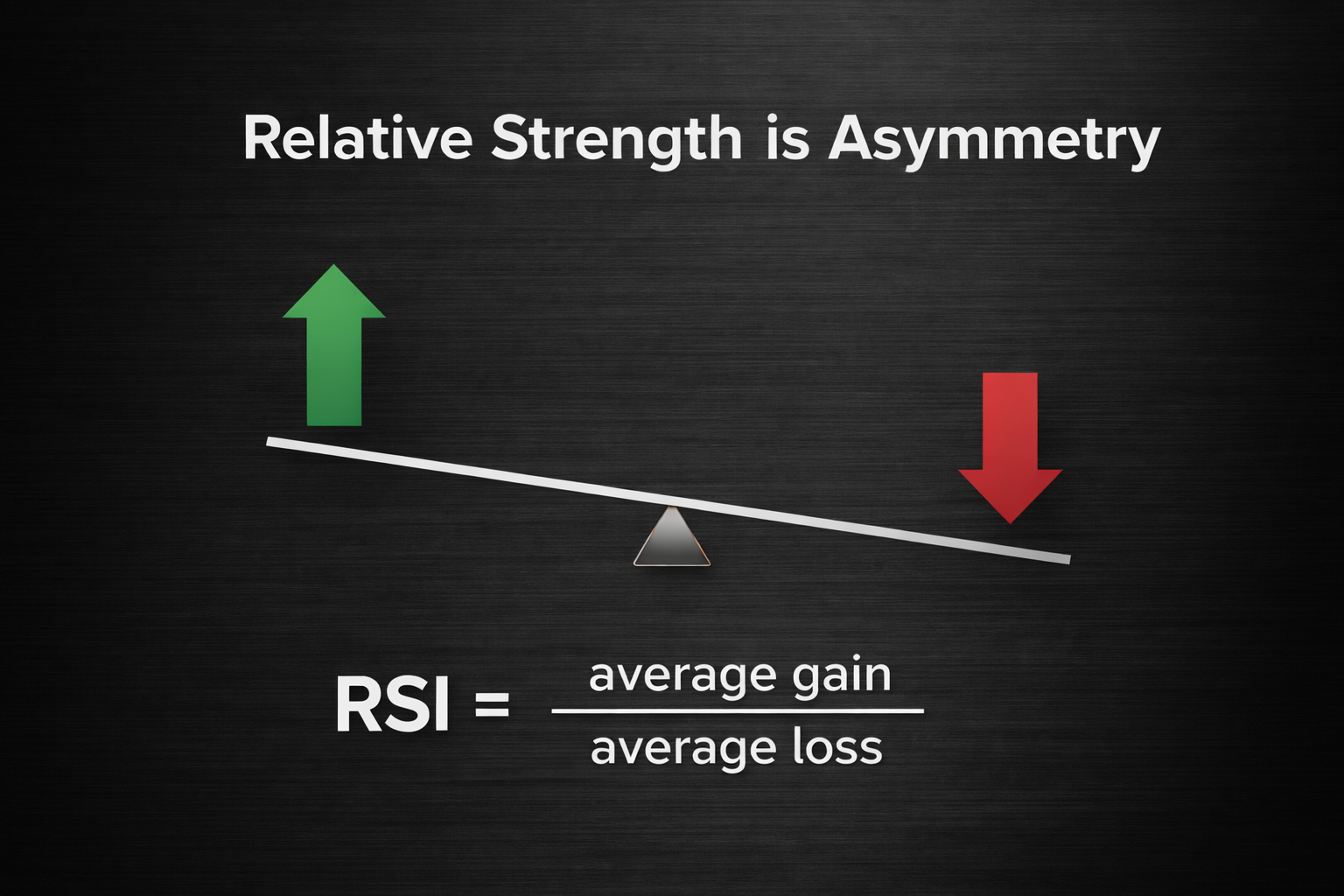
The stock market is a constant battle between buying pressure and selling pressure, and recently, that battle has shifted in a meaningful way. After a strong rally earlier in the year, we’ve now seen a notable change in the risk/reward asymmetry. Markets don’t move in a straight line, and shifts in trend strength often signal the potential for new opportunities—or new risks.