Valuation Doesn’t Predict Returns. It Changes the Shape of Risk
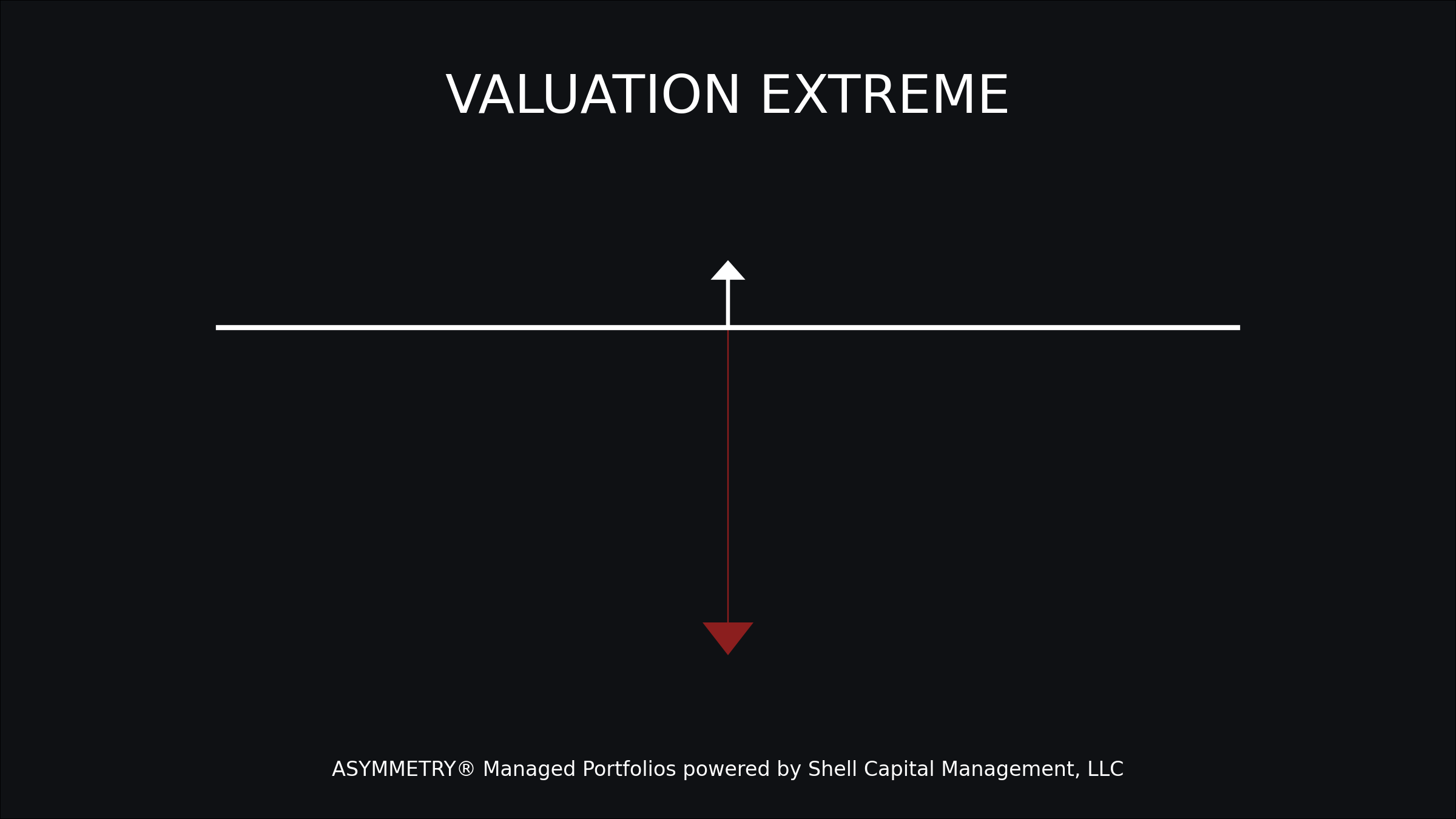
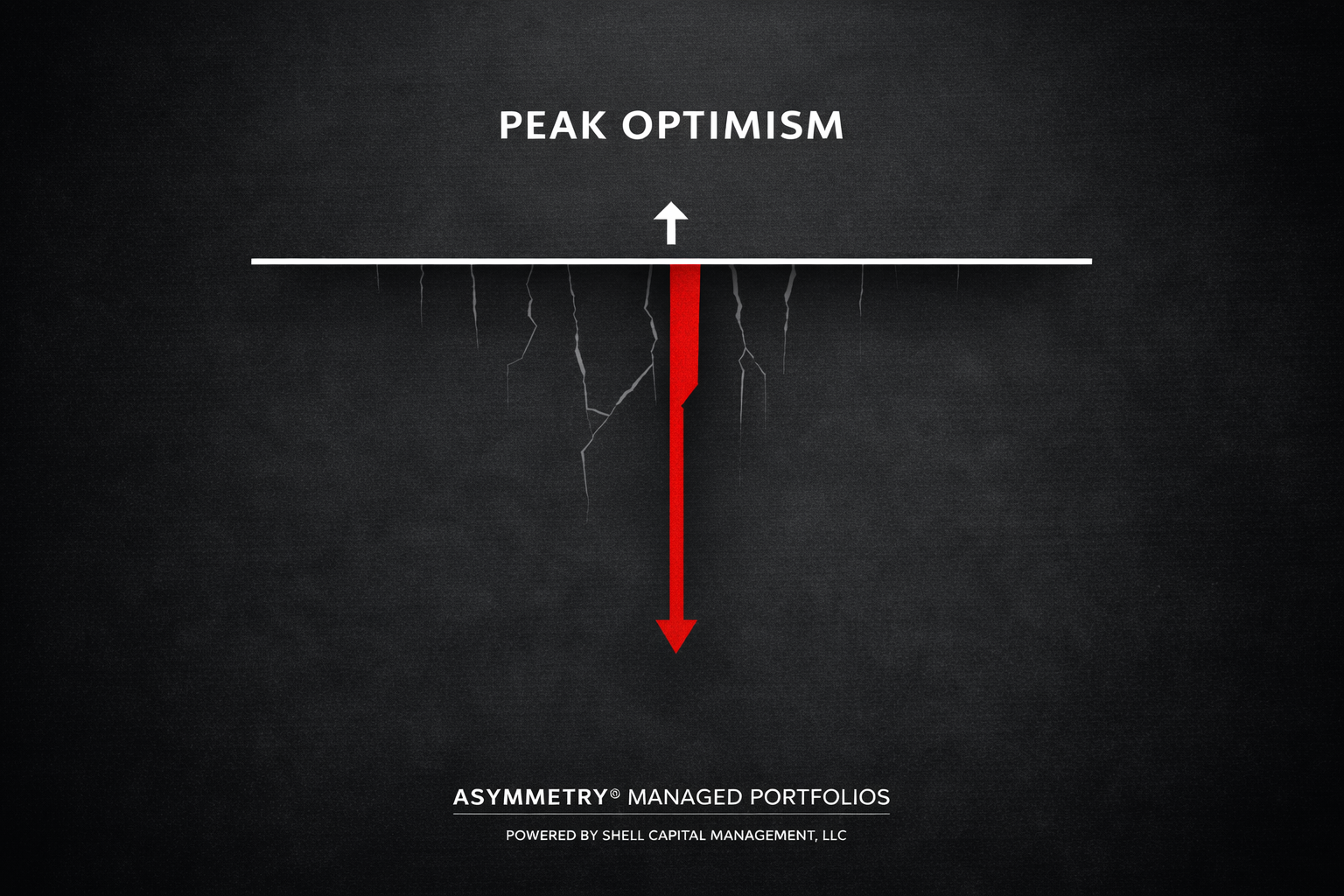
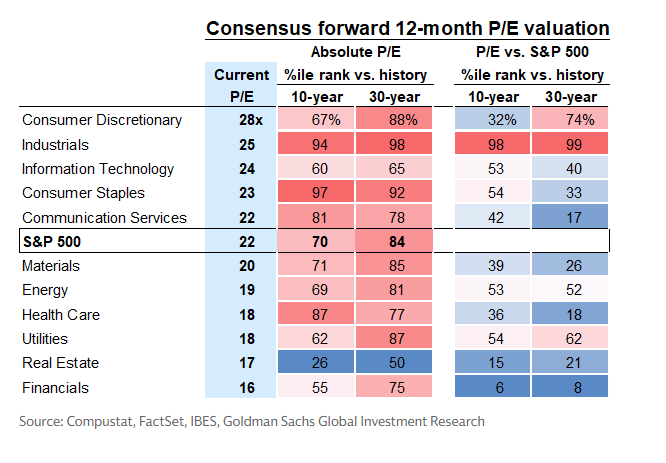
Valuation doesn’t predict market returns. It reveals fragility. When expectations rise across sectors, portfolio structure matters more than forecasts.

Valuation doesn’t predict market returns. It reveals fragility. When expectations rise across sectors, portfolio structure matters more than forecasts.
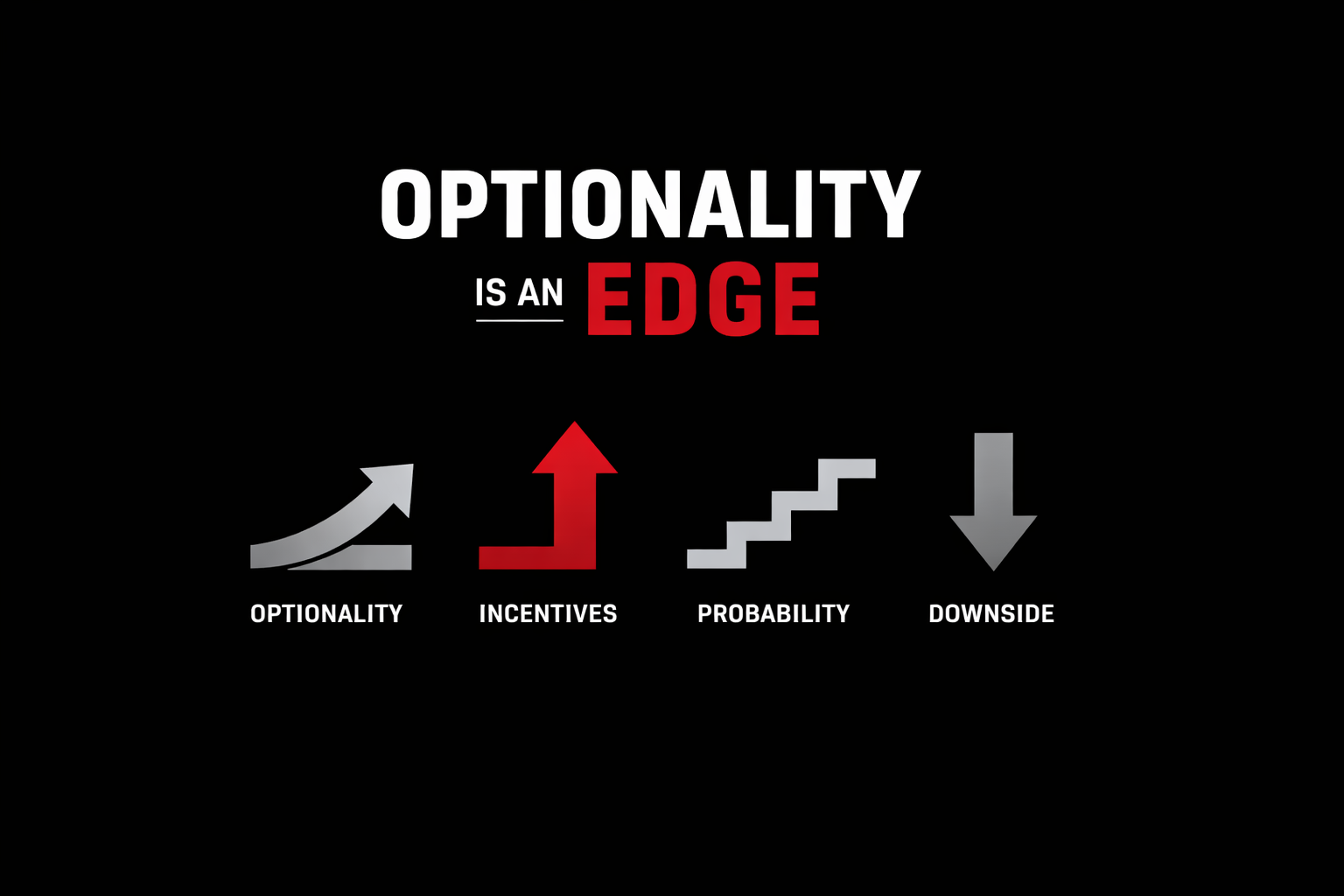
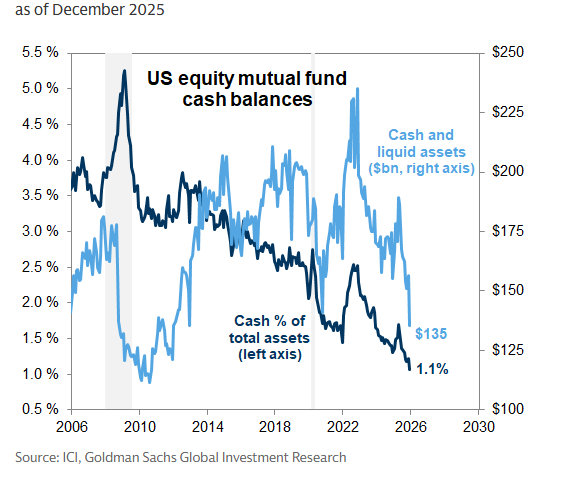
U.S. equity mutual fund cash balances are near historic lows. When cash disappears from the system, optionality disappears with it—changing how markets behave, how risk compounds, and why downside becomes more dangerous than most investors expect.
Why claims of “emotionless investing” misunderstand risk, behavior, and asymmetry—and why real edge comes from structure, not psychology. Investment systems don’t remove emotion. They expose it. The real edge isn’t feeling less—it’s designing a structure where emotion can’t quietly distort risk, sizing, or exits when it matters most.
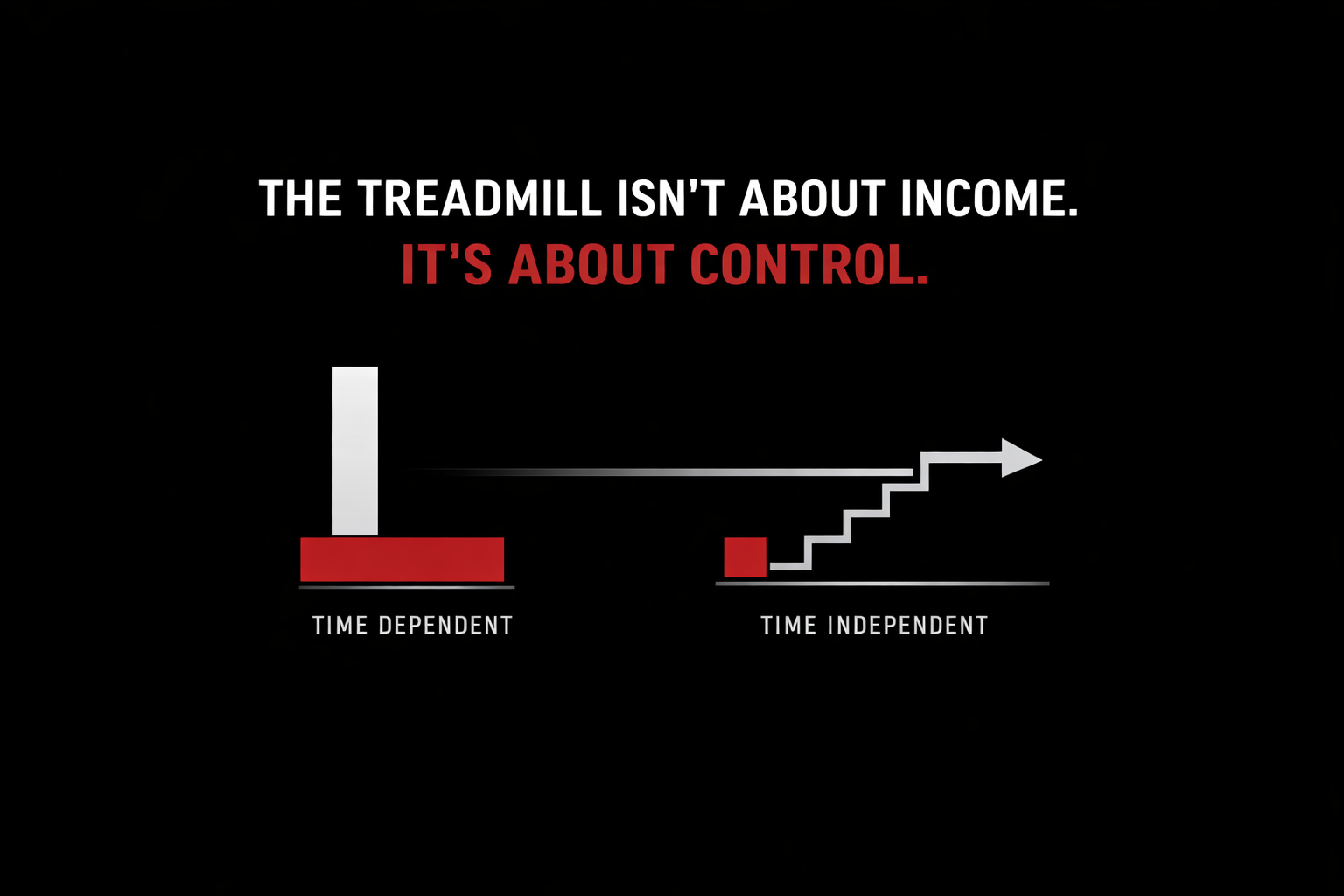
Exit planning isn’t about retirement — it’s the rotation event that moves business owners from effort-based income to capital-driven freedom. This ASYMMETRY® Observation explains why selling a business is only the beginning, and how engineered risk management keeps owners off the treadmill for good.
A market crash isn't the only cause of wealth management failures. It fails because systems weren’t built for decision pressure. This ASYMMETRY® Observation explains where wealth quietly breaks—long before a sale of a business or medical practice, death, lawsuit, or market shock forces irreversible choices.
If more information was the answer, then we’d all be billionaires with perfect abs.” Derek Sivers nailed the problem. Outcomes don’t improve because you know more. They improve because your structure survives stress, error, and bad decisions. An ASYMMETRY® Observation on why more information doesn’t lead to better results. Structure, incentives, and process—not insight—determine asymmetric outcomes in investing and life.
RSI isn't a timing oscillator — it’s an asymmetry measure. Built on average gains divided by average losses, RSI reveals which side of the market is dominant and why upside or downside can persist far longer than intuition expects.
It doesn’t matter how high the return is if the drawdown is so severe you tap out before it’s achieved. The same logic applies to broad diversification—even inside trend-following systems. When return drivers concentrate, portfolios that appear diversified can still experience sharp, asymmetric drawdowns.
SLV’s record discount wasn’t a mispricing—it was a signal. Volatility surged. Liquidity vanished. Arbitrage stepped aside. ETF structure didn’t break. It reverted to its true condition: conditional.
SLV’s apparent record discount wasn’t about silver being mispriced. It was about arbitrage stepping aside under extreme velocity. When liquidity providers stop enforcing convergence, risk migrates from price into market structure—and that’s where asymmetry flips.
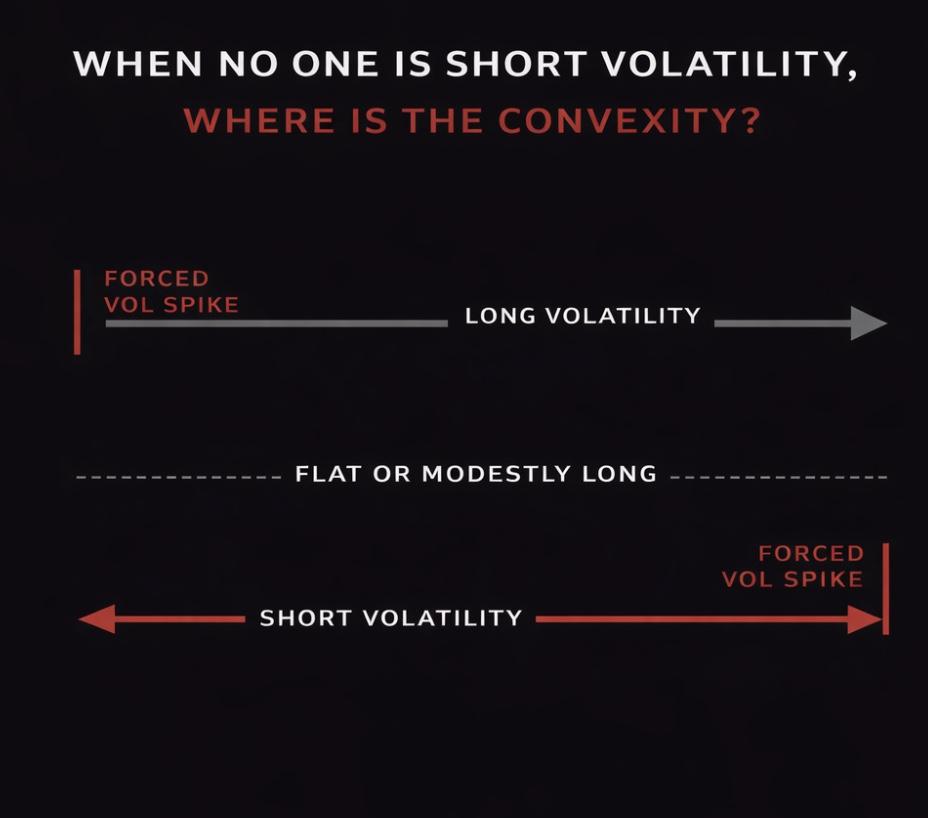
Selling volatility still works—until it doesn’t. The real issue isn’t whether the volatility risk premium exists, but where it’s been competed away, how capital concentration changes the payoff geometry, and why most investors are selling convexity without being paid for it.
Gold and silver are expressing very different forms of asymmetry. Gold reflects slow-moving structural convexity tied to policy risk, while silver’s explosive moves are driven by liquidity squeezes and regulatory uncertainty. The opportunity isn’t prediction — it’s understanding the risk geometry.
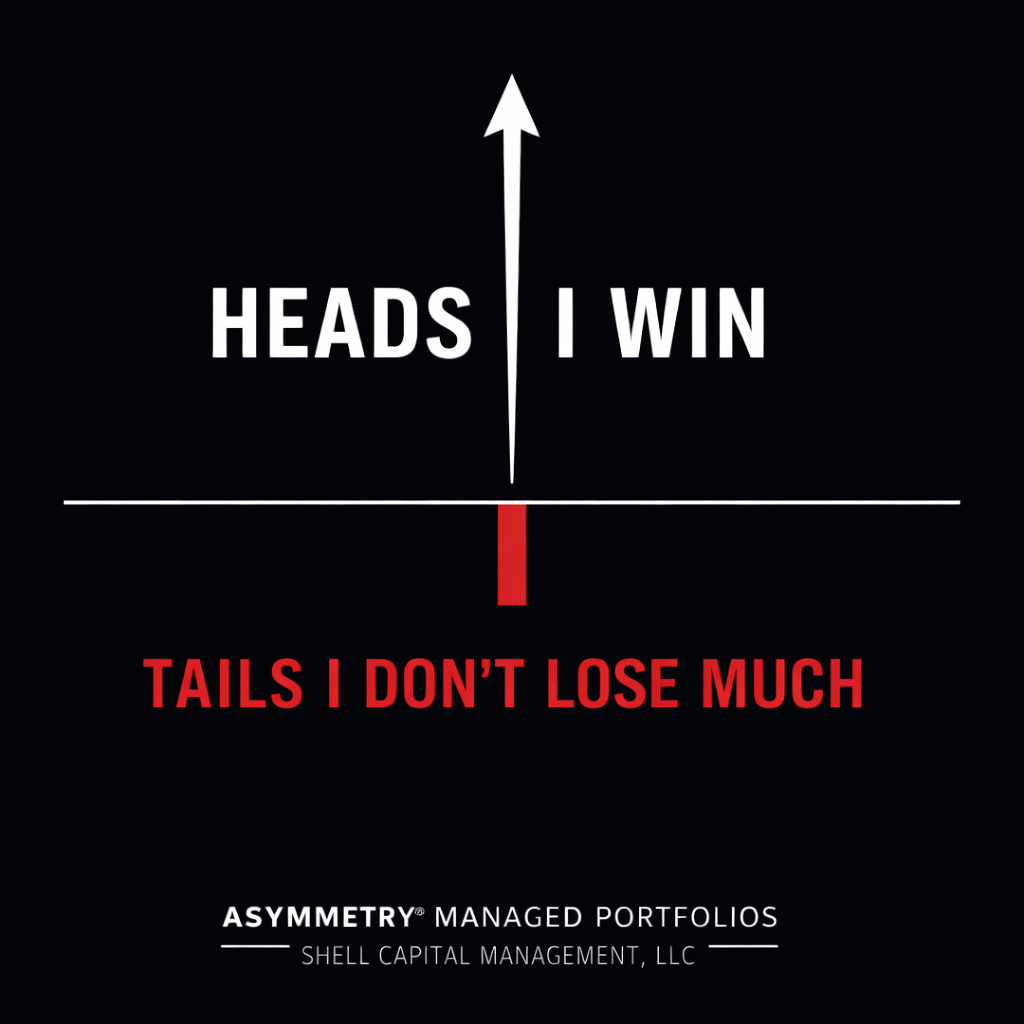
Asymmetry in investing is often misunderstood as large upside potential. In reality, true asymmetric risk/reward is defined by controlled downside, not imagined gains. Without a clearly defined loss, upside narratives are irrelevant because unbounded risk dominates long-term outcomes. Asymmetry begins with survival.
Bitcoin doesn’t offer asymmetric risk/reward by default. Spot exposure is linear. The asymmetry is created by structure. By filtering exposure with anchored VWAP and defining downside with a volatility-based stop, risk becomes known while upside remains uncertain. That’s how a volatile asset is transformed into an asymmetric investment.
Does the cryptocurrency Bitcoin offer an asymmetric risk/reward payoff? Cryptocurrencies are often described as offering asymmetric upside and asymmetric risk/reward payoff, but that claim confuses volatility with structure. True asymmetry isn’t about how far an asset can go up. It’s about whether the downside is explicitly defined and limited before outcomes are known. Spot crypto exposure is essentially linear, fully exposed to drawdowns, and lacks built-in convexity. Without predefined loss limits, position sizing, or payoff engineering, there is no asymmetric risk/reward, only a narrative riding a volatility regime.
Are we entering a civil war—or a late-cycle phase of escalating internal conflict? An ASYMMETRY® Observation examining how rising polarization, institutional fragility, and historical cycles reshape risk, uncertainty, and capital allocation before systems break.
When do tax-exempt money market funds actually deliver an edge? This Asymmetry Observation breaks down the after-tax math behind taxable vs. tax-exempt cash yields, explains why “tax-free” often isn’t free, and shows how marginal tax rates and state taxes determine when the geometry finally flips.
Why many professionals and business owners earn wealth in one business—then lose it in another. An ASYMMETRY® Observation on exit risk, capital redeployment, and asymmetric risk management.
Asymmetric investing vs. trading is misunderstood. Our clients are investors, but as we manage their portfolios, we are tactical position traders We don’t day trade, and we don’t buy and hold blindly. In pursuit of asymmetric returns, we make deliberate buy and sell decisions to manage risk, adapt to changing conditions, and preserve capital through full market cycles.
The Art of Asymmetric Investing: When Imbalance Beats Balance. Most investors think the goal is balance. Balanced portfolios. Balanced risk. Balanced returns. What business owner wants to balance their profit and loss? What investor wants to balance their risk and reward?